Imperium builds villa management companies their own AI Operating System, so the portfolio can grow without the office growing with it.
Imperium for real estate · The Villa Management OS
The bottlenecks in a management company.
THE BOTTLENECK
WHAT IT COSTS YOU
01
No clear view across the whole portfolio.
Bookings, costs and payouts sit in different systems, so what each property really earns stays unclear.
02
Owner reports are built by hand, property by property.
Reports go out late, and owners lose confidence.
03
Rates are set by hand across every calendar.
Gap nights, and money left on the table.
04
Guests, owners and staff message all day.
Slow replies end up in the reviews.
05
Every new property adds admin before it adds profit.
Growth means more hires, and the margin shrinks.
06
Decisions and fixes wait on one or two people.
When someone is off, things slip and the owner hears before you do.
Imperium for real estate · The Villa Management OS
Your team already uses ChatGPT and Claude. They don’t know your business yet.
Keep them. On their own, they stall for the same reasons.
01
Nothing is connected.
Your systems, accounts and files aren’t wired in, so each answer only knows what someone pasted in.
02
WhatsApp is out of reach.
That’s where your guests, owners and villa staff talk, so those conversations sit outside every answer.
03
Each person’s AI learns alone.
What one person teaches it, nobody else gets. When someone leaves, it goes with them.
04
So the work is still done by hand.
Someone still copies numbers between systems before every owner report.
“ChatGPT just answers certain questions. This builds stuff for you.”
Sean Johnson · Founder
Imperium for real estate · The Villa Management OS
An AI Operating System is three parts. Your team only has the first.
We build the other two, around your business. Together, that’s your AI Operating System.
YOU HAVE IT
IMPERIUM BUILDS THESE TWO
01
The AI model
The brain. Claude, ChatGPT, or a local model on your own machines for sensitive work. When a better one comes out, we plug it in.
YOU HAVE THIS ALREADY.
02
Your data, organised
Your booking system, pricing tool, WhatsApp, accounts and files, connected and set out the way your business runs, so the answers are right.
WE BUILD THIS. THE HARD PART.
03
Your own app
Custom built for your company: your team, your systems, the way you work. On every desk and phone, your team asks in plain English and approves the work it drafts.
WE BUILD THIS, CUSTOM TO YOU.
Local model
ChatGPT
Claude
You own your data and everything built on it: infrastructure that grows with you. Swap the model or the app later and nothing is lost.
Imperium for real estate · The Villa Management OS
What it runs across the portfolio.
Portfolio
Occupancy, revenue and owner payouts across every villa, live.
Owner reports
Built and checked from your own data, every month.
Rates
Seasons and gap nights reviewed across the whole portfolio.
Guests
Every channel watched, and replies drafted.
Maintenance
Jobs logged, assigned and chased.
Finance
Accounts, payouts and costs in one picture.
All of it in one app that works like the ChatGPT your team already uses: ask, check the answer, approve.
Imperium for real estate · The Villa Management OS
What changes.
The outcome for the average client.
3.1×
Increase in output per person
7.5
Hires not made, per company
$175,000
Payroll prevented a year, per company
5.6×
Speed increase for work handled by the OS
Across selected interviews
52%
Working time returned per person
Figures calculated from selected client interviews, across different companies and tasks. See the individual stories for context.
Imperium for real estate · The Villa Management OS
10 hires prevented and hundreds of thousands saved in 60 days.
Property development and hospitality across several brands.
PROBLEM
Several projects and venues moving at once, with each new one adding hires in marketing, finance and settlements.
SOLUTION
One operating system across the whole team, with each role given the tools it needs.
OUTCOME
“It was understanding what was giving us a return on our advertising expense, where people were working effectively, and getting the information through the organisation as well.”
Chad Egan, Founder & CEO
10 hires prevented in 60 days. Chad prices that work at hundreds of thousands of dollars.
The next hires are senior specialists. GeoNet won’t add fifty more in marketing, thirty in finance or forty in settlements, because the system covers that work.
COO Ben Barnes: some days it felt like a team of ten working for him.
Every installation is engineered inside the business, around the systems and people already running it.
Imperium for real estate · The Villa Management OS
The capability behind an installation
KNOWLEDGE ENGINEERING
Structure company information so context can be found, understood and traced to its source. Taxonomy and retrieval make the knowledge useful beyond a single conversation.
SYSTEMS ENGINEERING
Connect the data, tools and permissions behind daily operations. Each installation has to reflect how the company actually works, from the source of a record to the team responsible for using it and reviewing the next action.
OPERATIONAL UNDERSTANDING
Work with sales, marketing, finance and operations to decide what matters, what should change and how the team will measure progress. A defined workflow, an accountable owner and a useful baseline give the installation a practical starting point.
Imperium for real estate · The Villa Management OS
The architecture behind useful work
An unpaid owner payout belongs to a villa, an owner, a booking and the person responsible for clearing it.
The AI OS keeps those relationships together, so every answer starts from the business itself rather than an isolated prompt.
Owners
People
Reports
Integrations
Your app
Maintenance
Bookings
Conversations
Rates
Permissions
Imperium for real estate · The Villa Management OS
One responsibility, from build to operation.
Build. Run.
The engineers who build it stay with it once your team is using it.
Software and engineering, together.
Understand
Map the bottlenecks in the business.
Connect
Wire in the systems the portfolio runs on.
Improve
Put your team on the app, then add the next areas.
Imperium for real estate · The Villa Management OS
Installed with the people who use it
Choose an internal champion and a real workflow, such as the monthly owner report. Establish what good looks like, then work through the difficult cases together.
The goal is capability inside the business: people who understand the OS, trust its boundaries and can use it without waiting for the founder.
The product takes shape alongside the teams who use it. We map the company’s questions, build around its priorities and stay close as the team puts the OS to use.
Imperium for real estate · The Villa Management OS
The Founders
Product engineering and commercial operations meet in the same responsibility: understanding the company, building around its priorities and helping the team put the OS to work. The founders remain accountable for the quality of that relationship.
Alex Kaymakanov
Chief Executive Officer
Leads company direction and product, drawing on software, data procurement and resource-planning experience. His focus is the architecture behind ARX and the engineering standard required to make company knowledge useful in daily work.
Archie Nash
Chief Operating Officer
Leads operations, installation and customer success, drawing on the analysis of marketing, sales and operating performance. His focus is a clear business problem, useful measures and the internal ownership needed to make the OS part of everyday work.
Imperium for real estate · The Villa Management OS
Experience that informs the work
Our background combines software, data procurement, migration and resource-planning systems for large organisations with the analysis of marketing, sales and operations. That experience informs how we structure company knowledge, connect its systems and improve the work behind the numbers.
SOFTWARE & DATA SYSTEMS
COMMERCIAL OPERATIONS
Founder-reported professional background. Prior engagements are not current Imperium customers or endorsements.
Imperium for real estate · The Villa Management OS
Principles for useful AI
An AI OS earns its place through the work it helps people do. These principles guide how Imperium builds and runs every installation.
Start with the company
Learn the tools, responsibilities and daily work before configuring anything.
Show the source
Make company context available for review alongside the answer.
Keep access deliberate
Set connections and permissions around the people who use them.
Build with the team
Install alongside the team and develop internal ownership.
Stay accountable
Keep engineering close as the business and its workflows change.
Imperium for real estate · The Villa Management OS
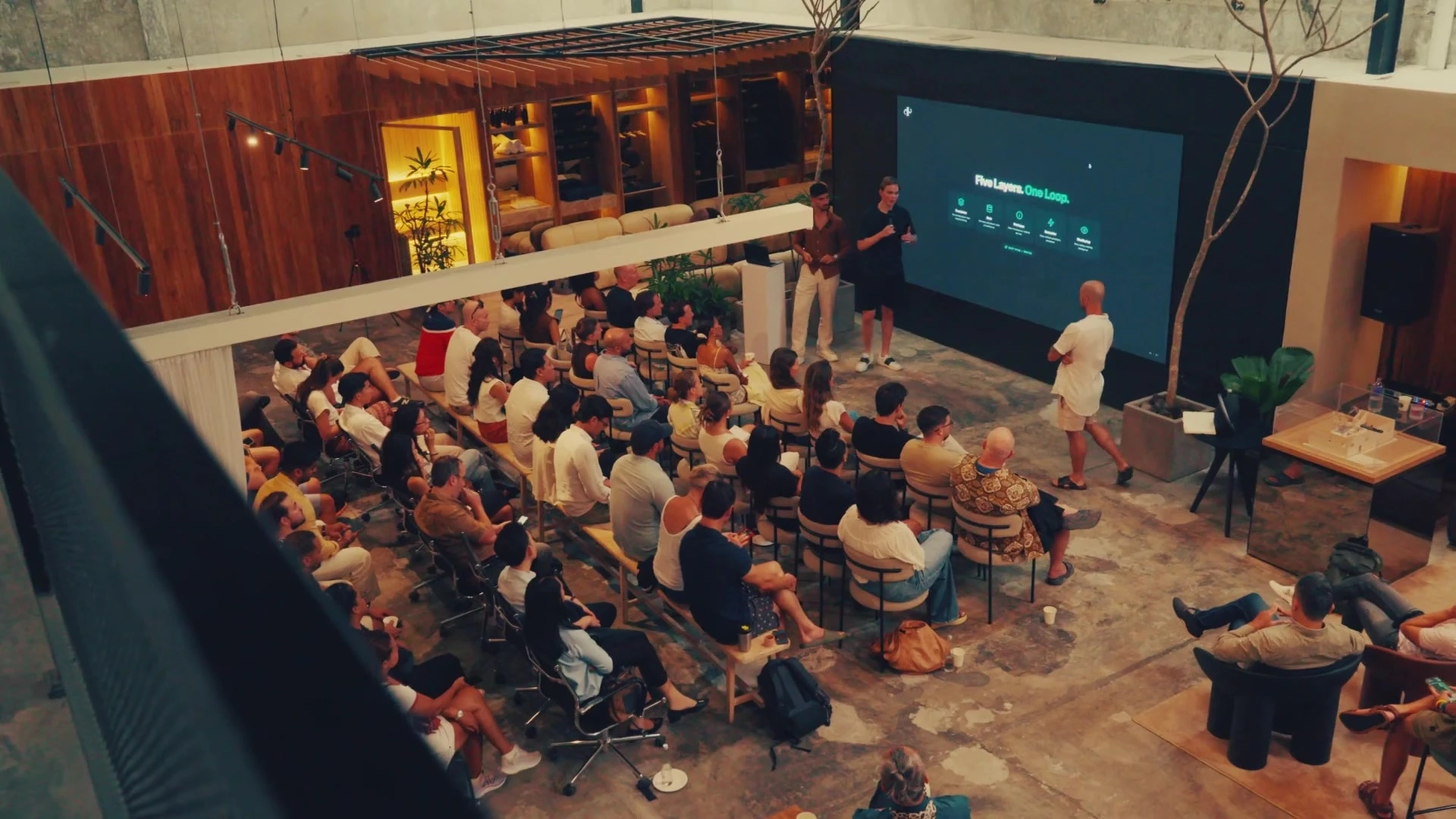
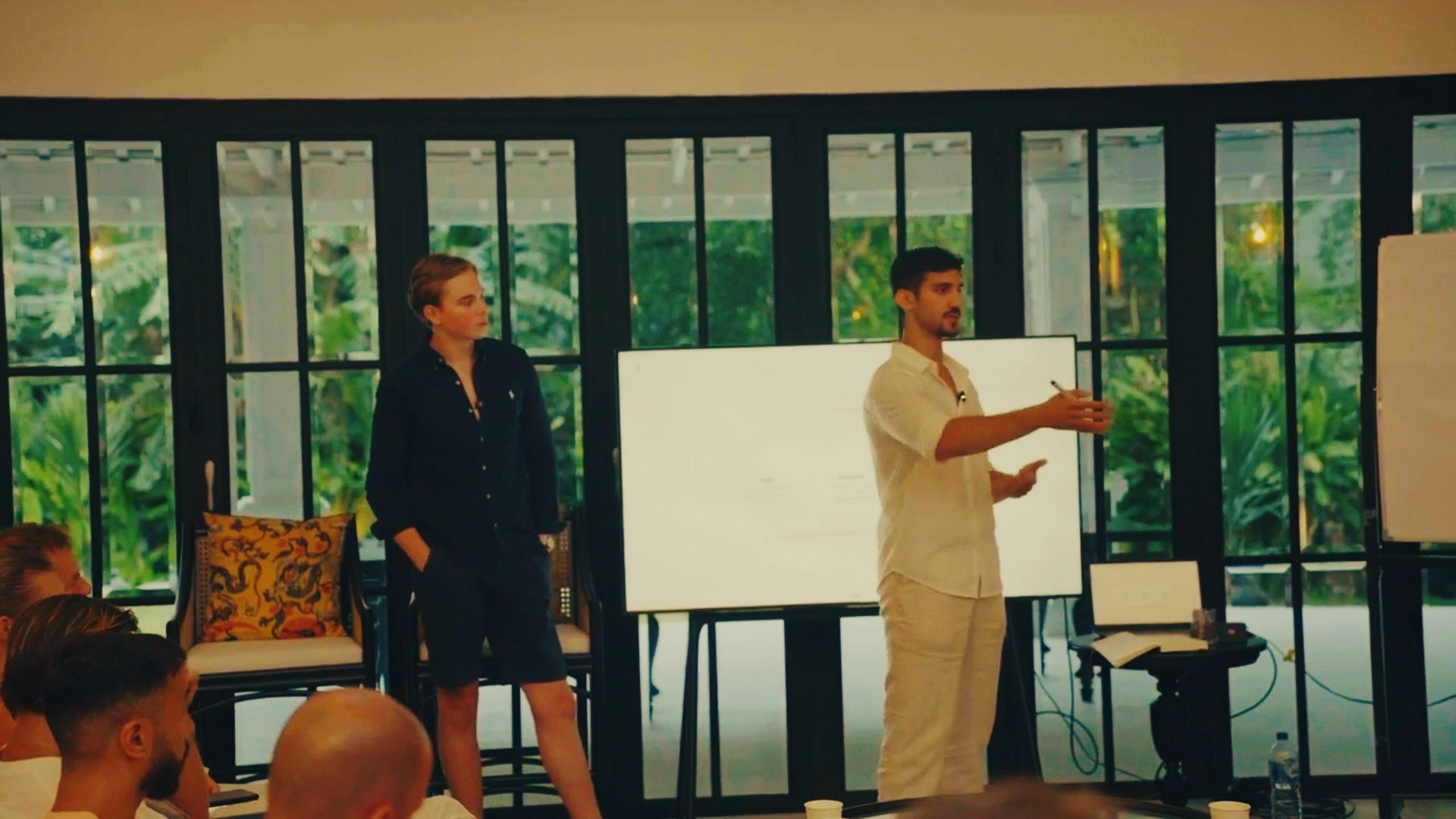
A culture close to the work
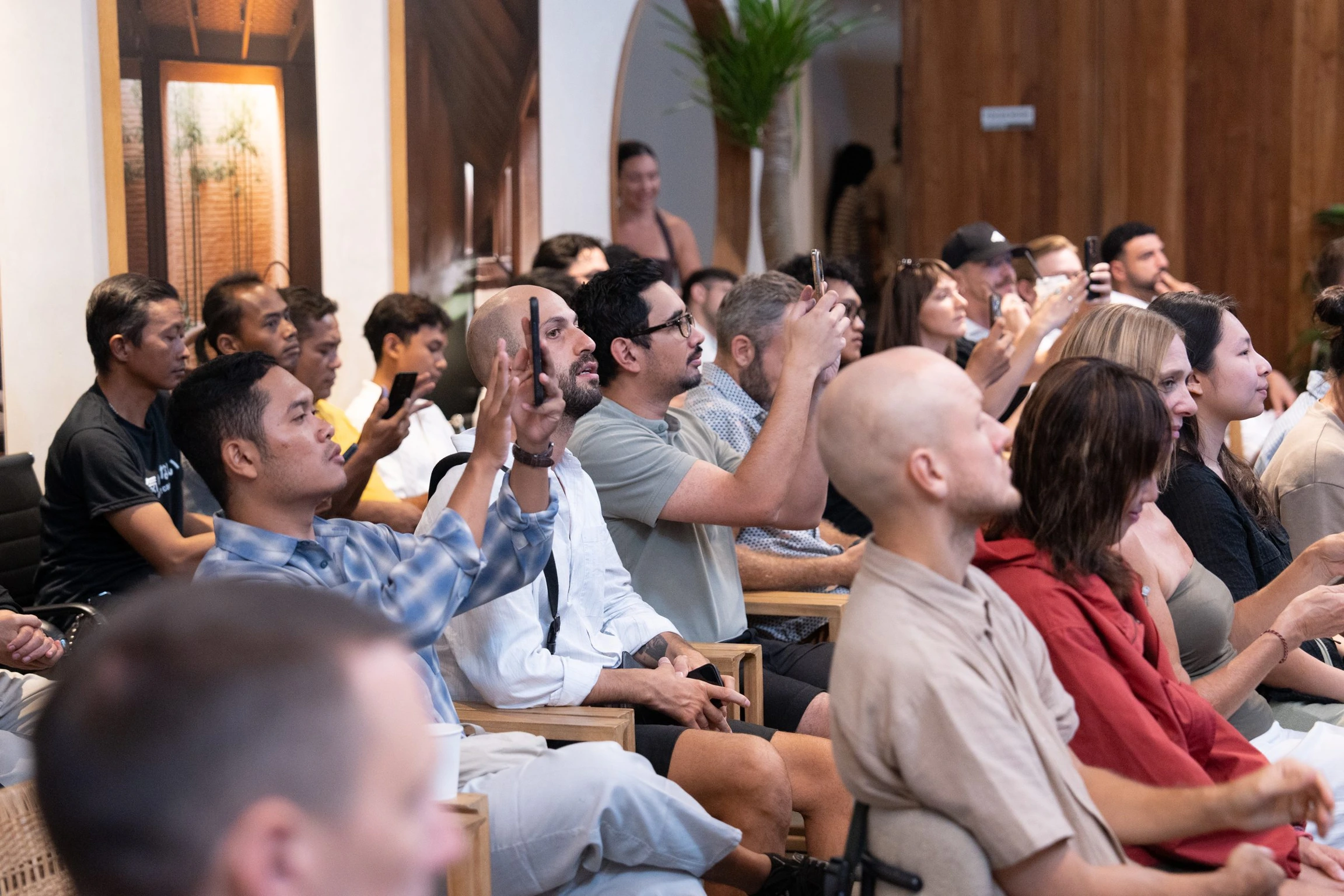
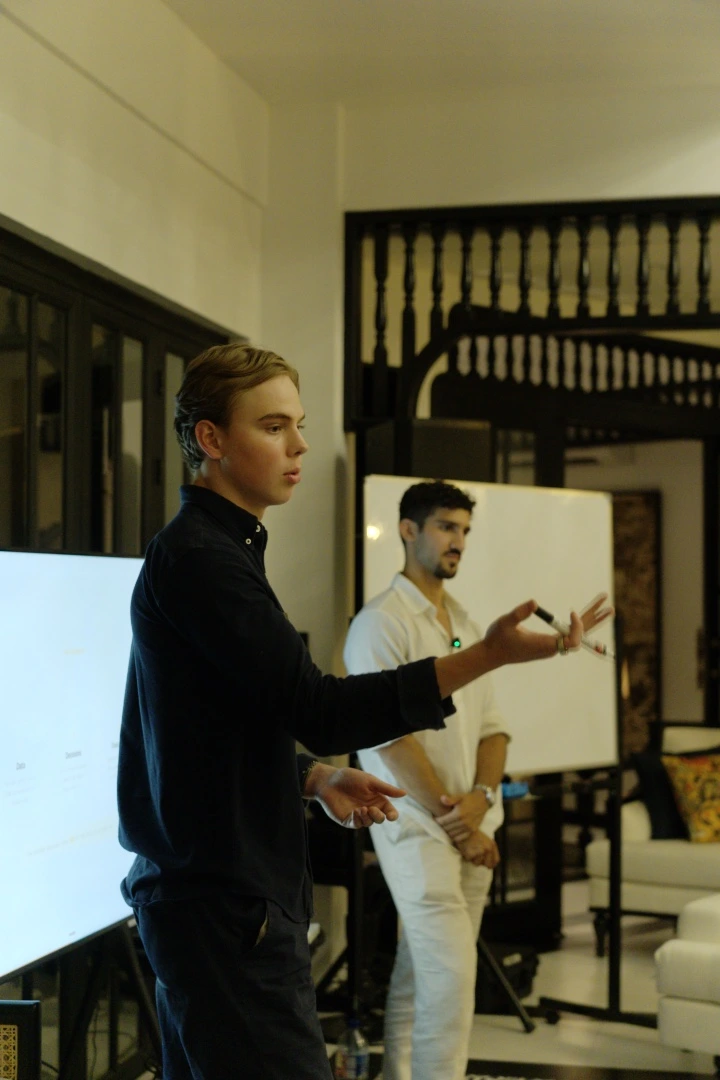
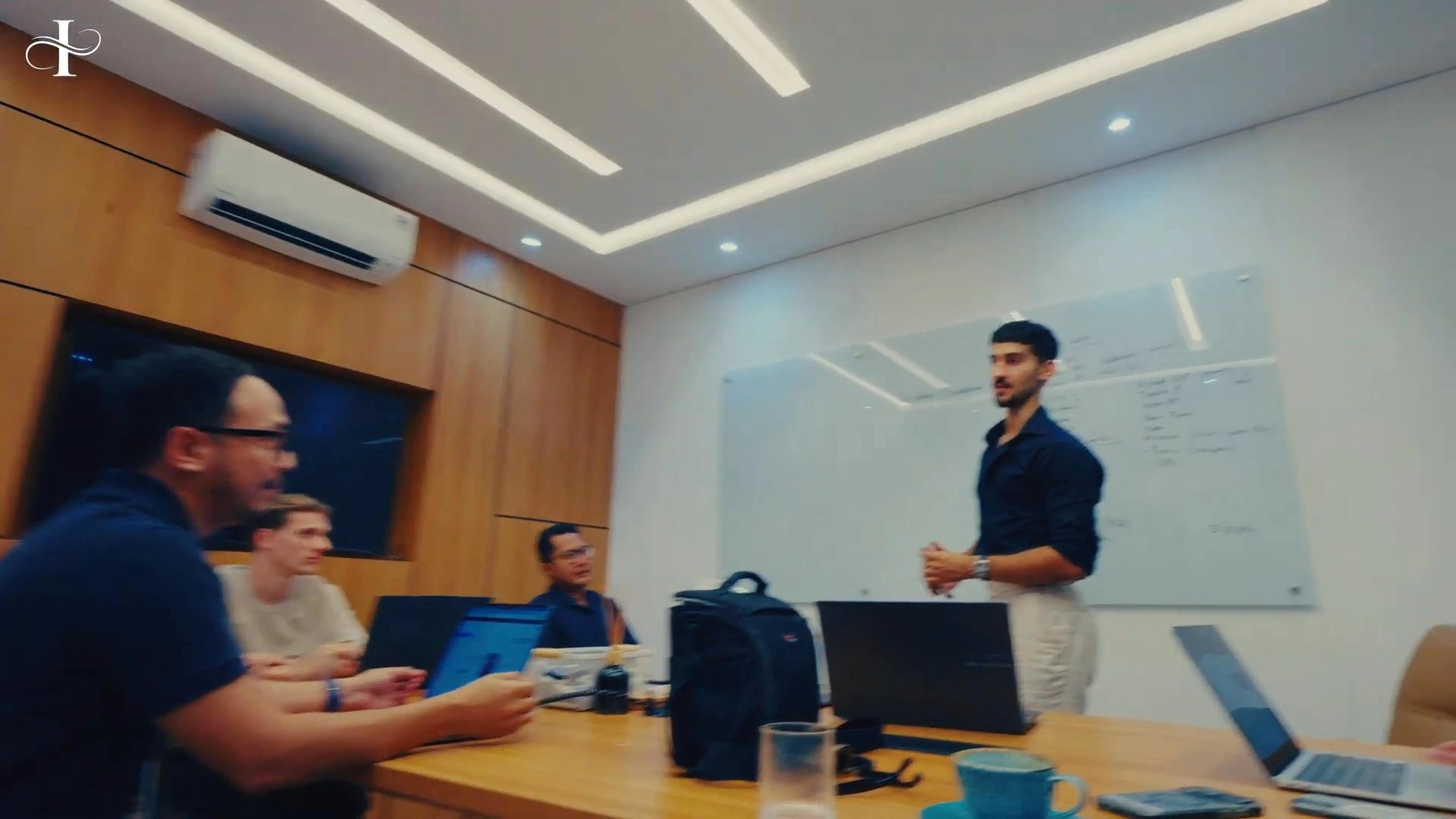
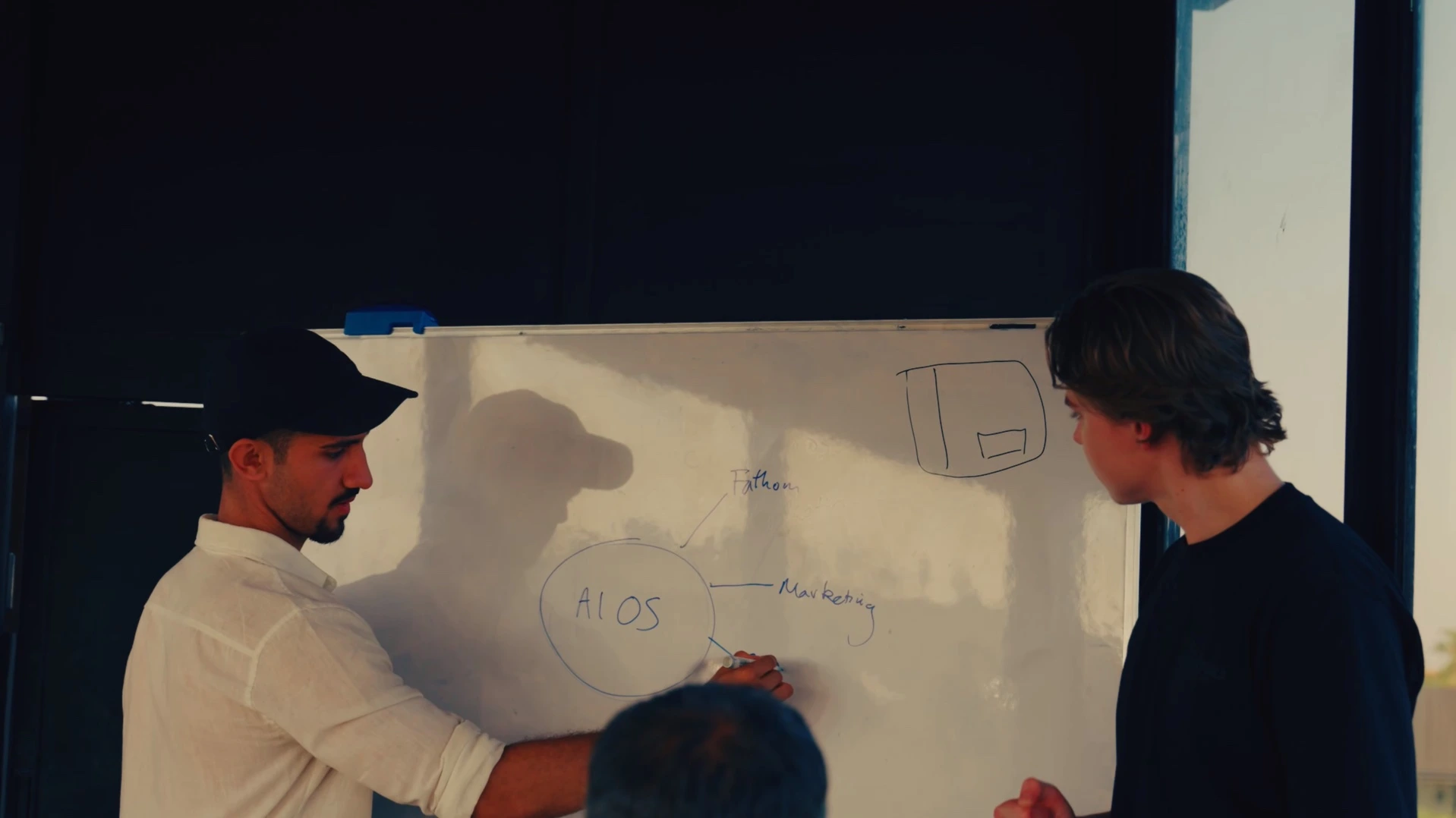
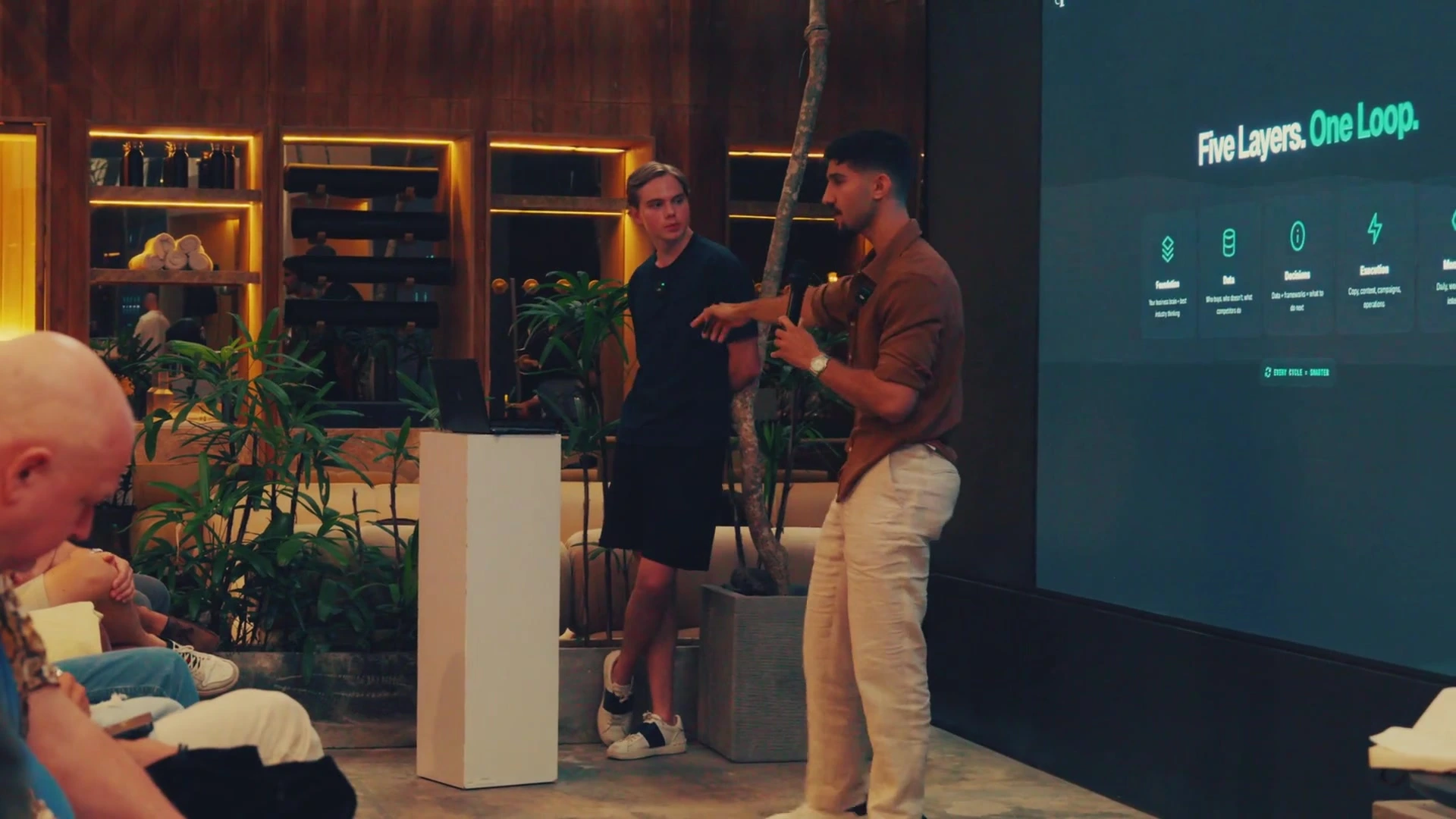
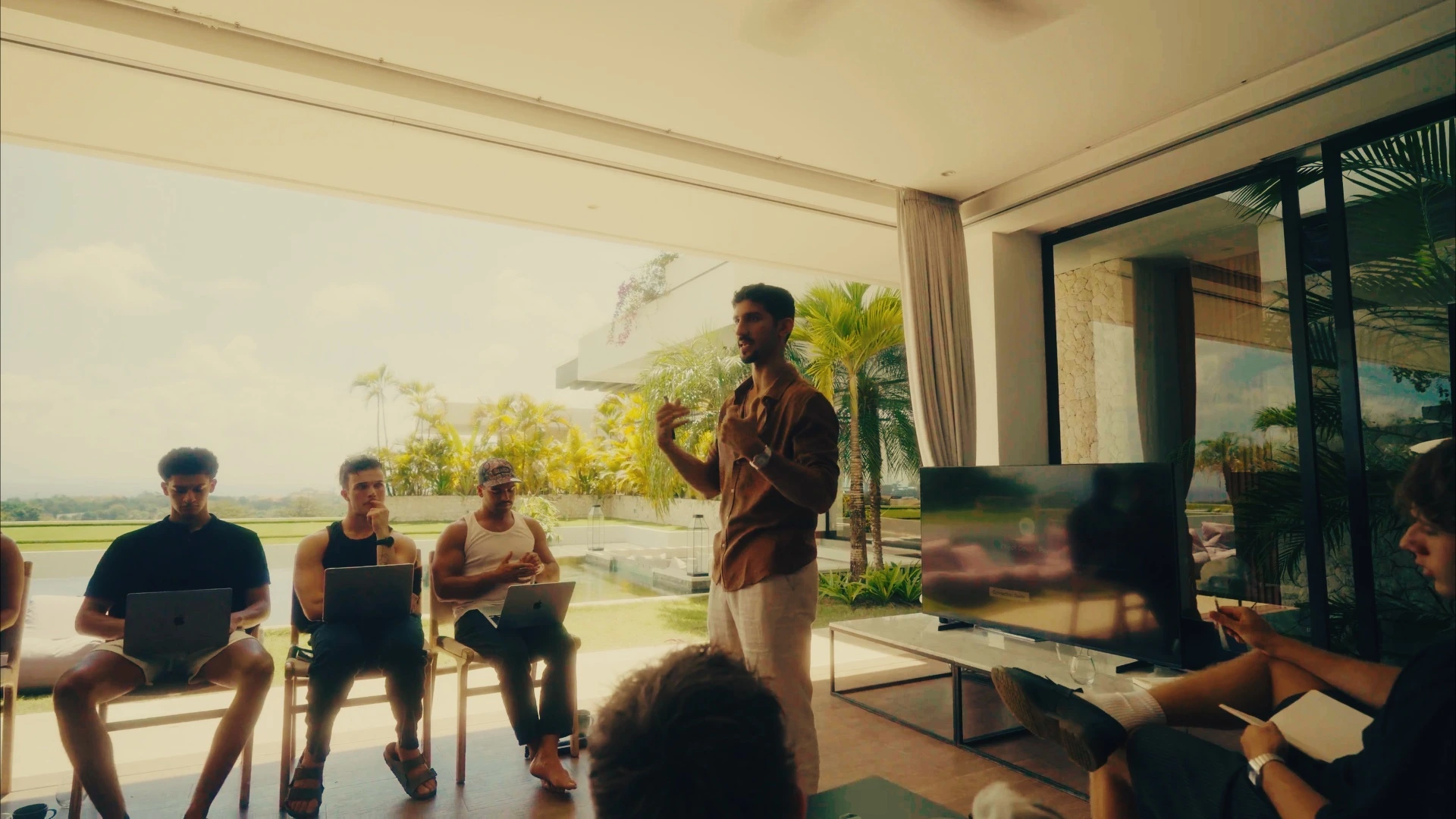
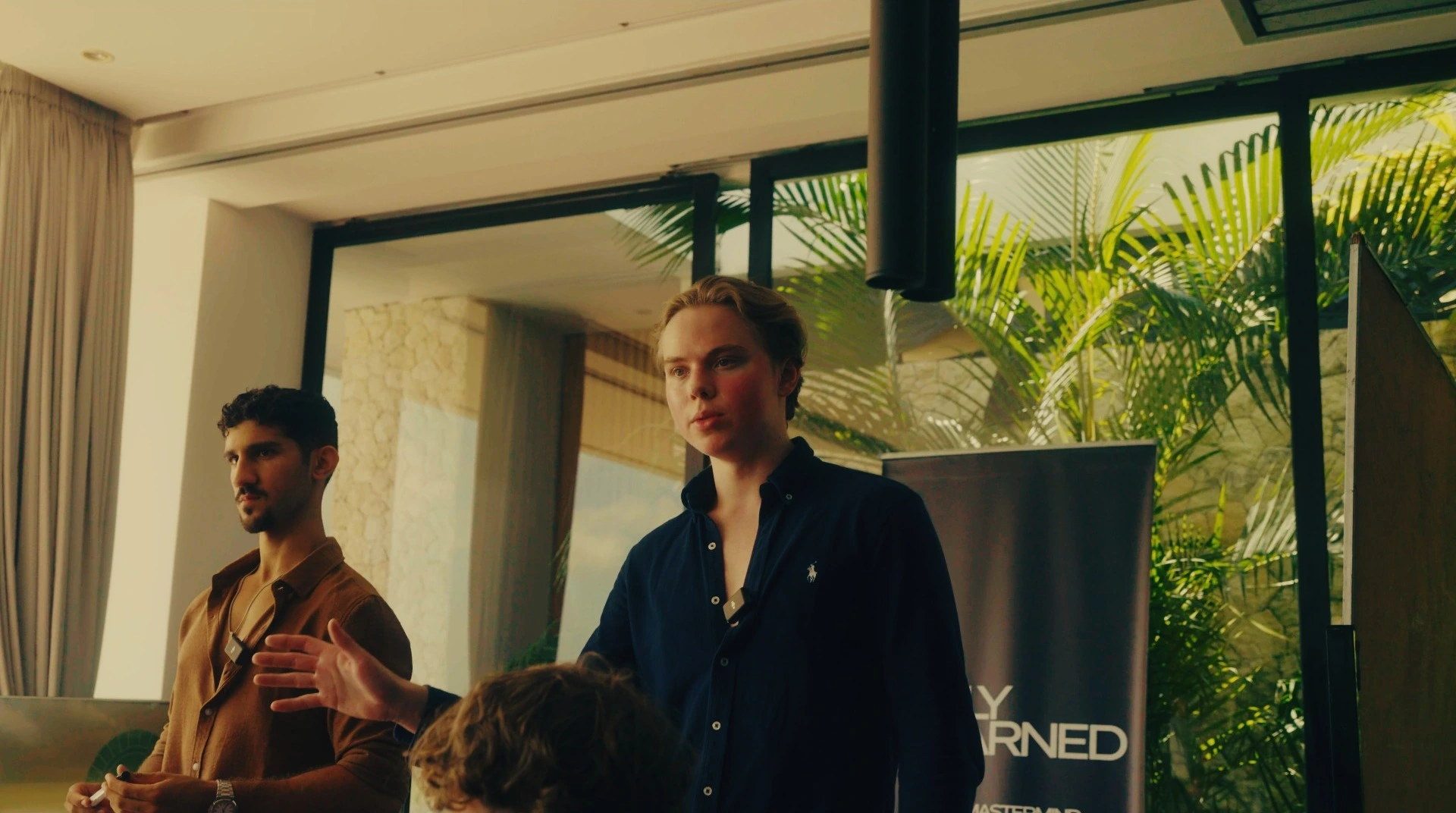
On stage · AI operating systems for business
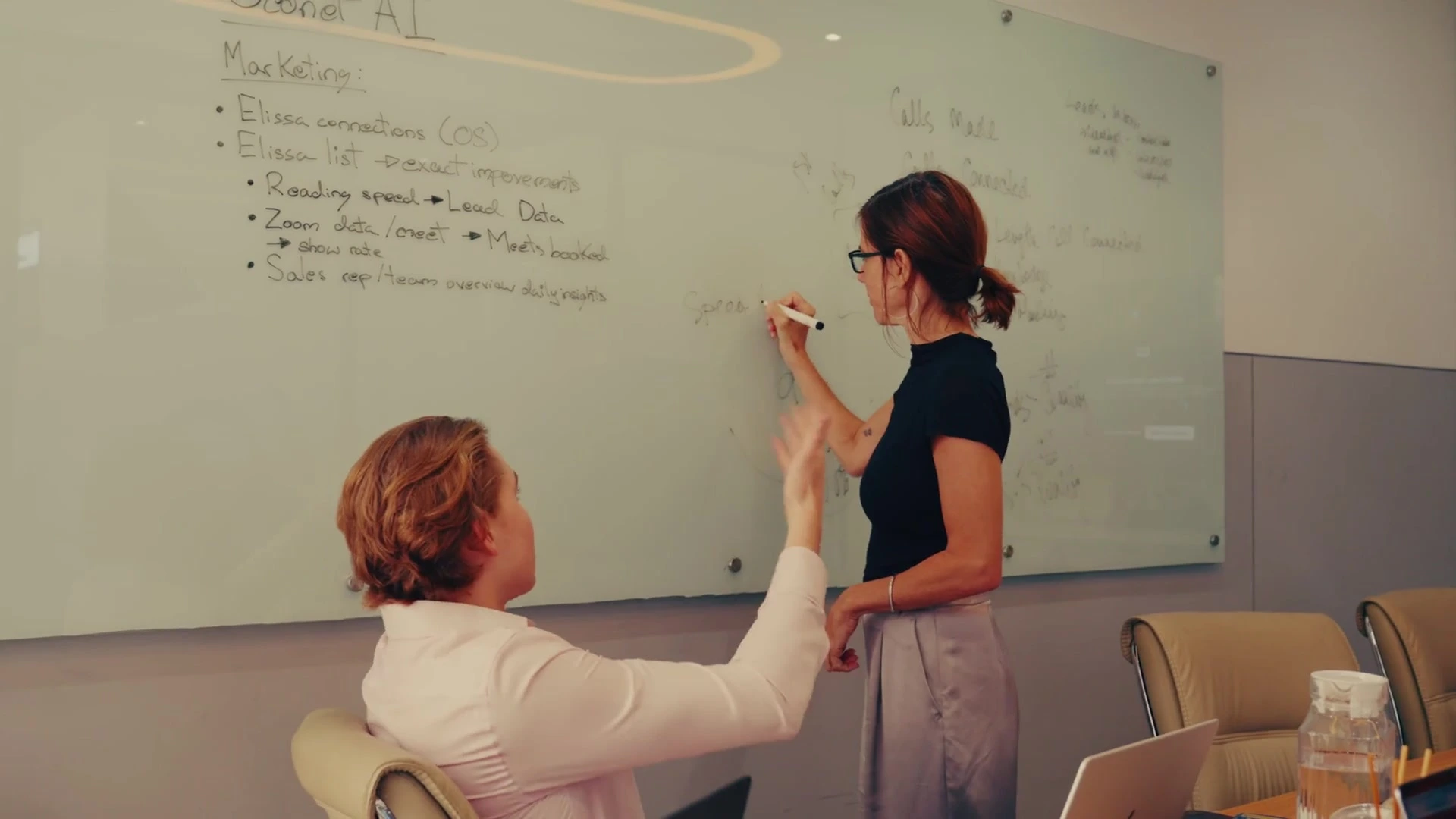
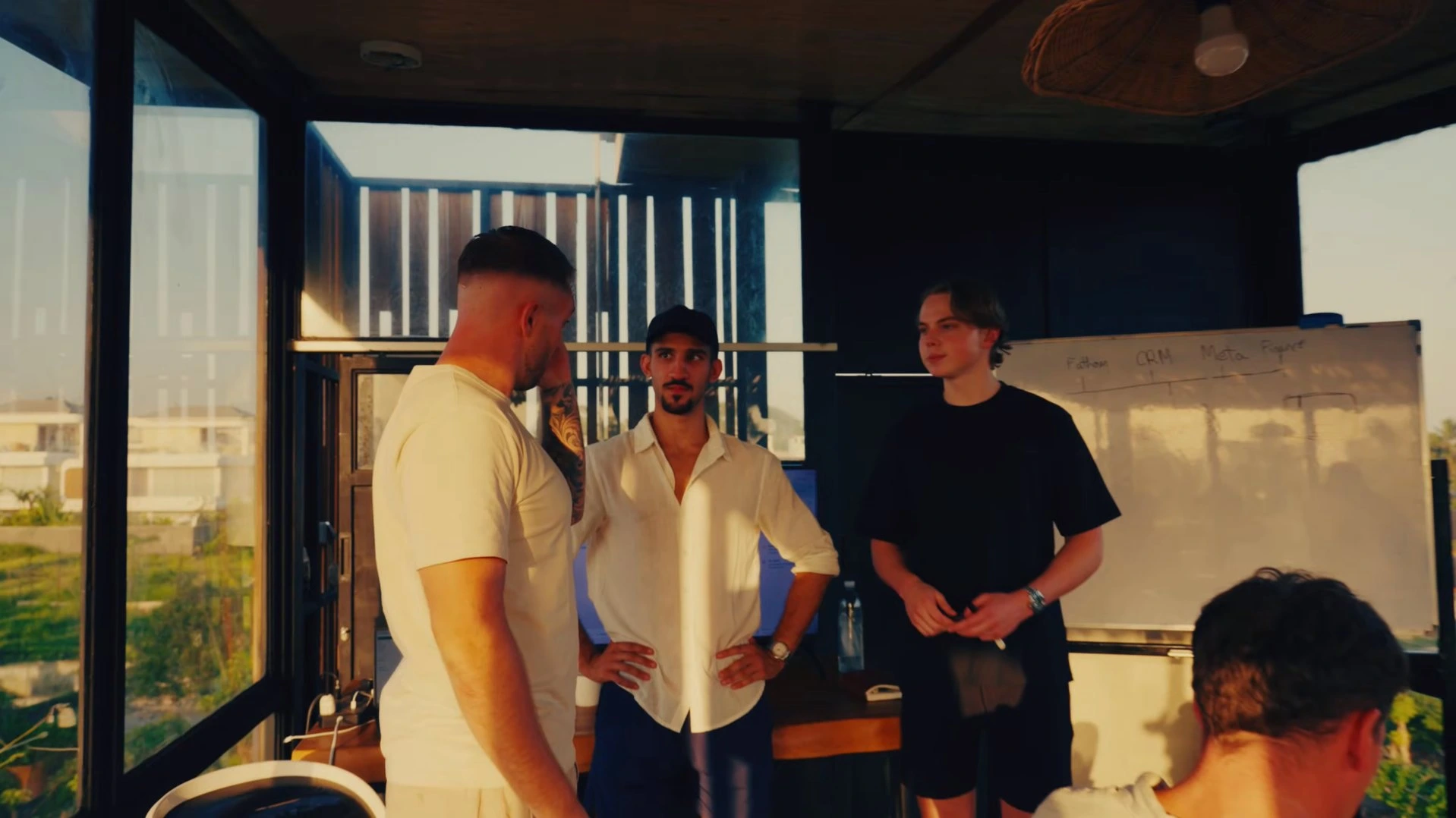
Working sessions turn questions into product requirements. Conversations keep the engineering grounded in the company’s reality.
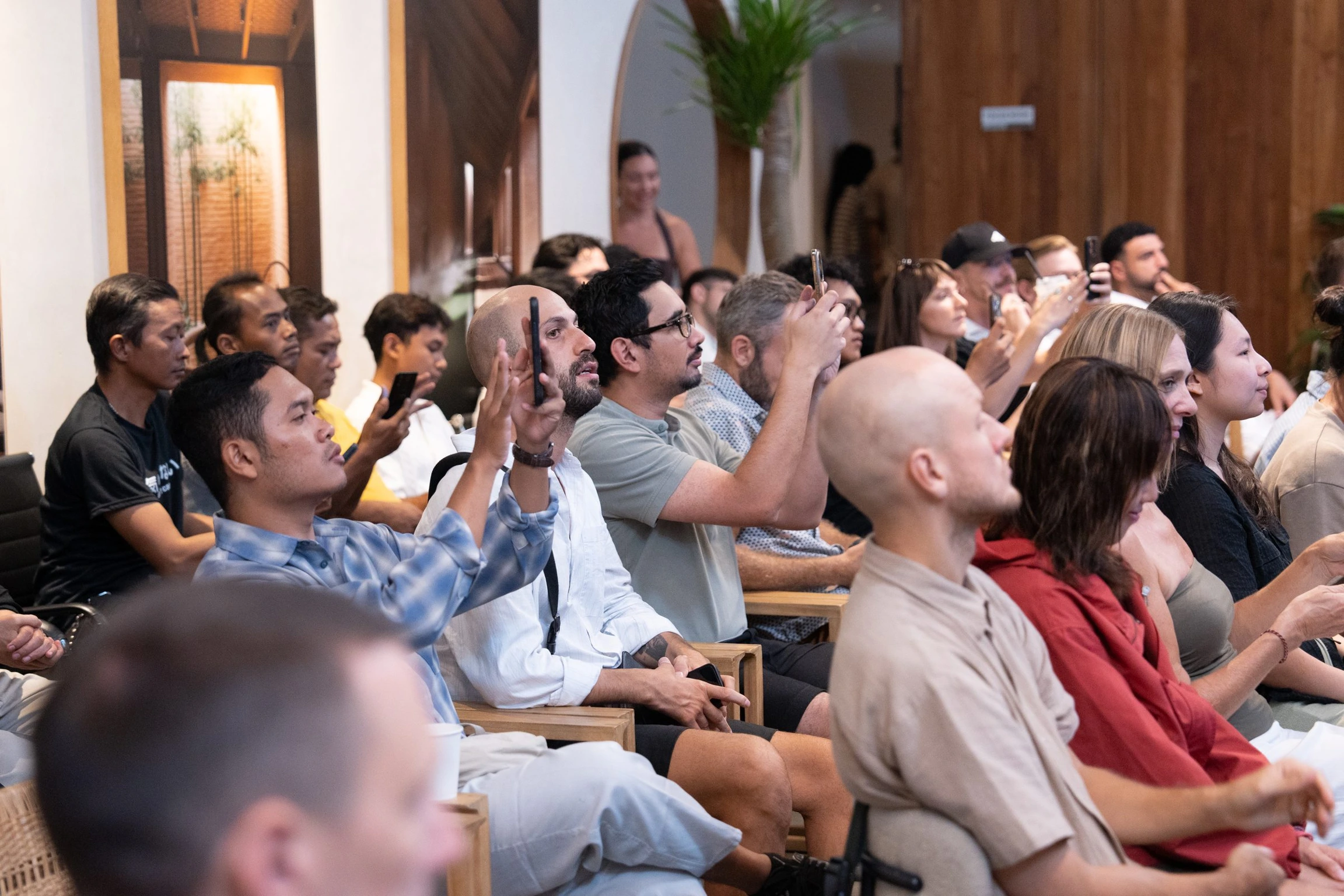
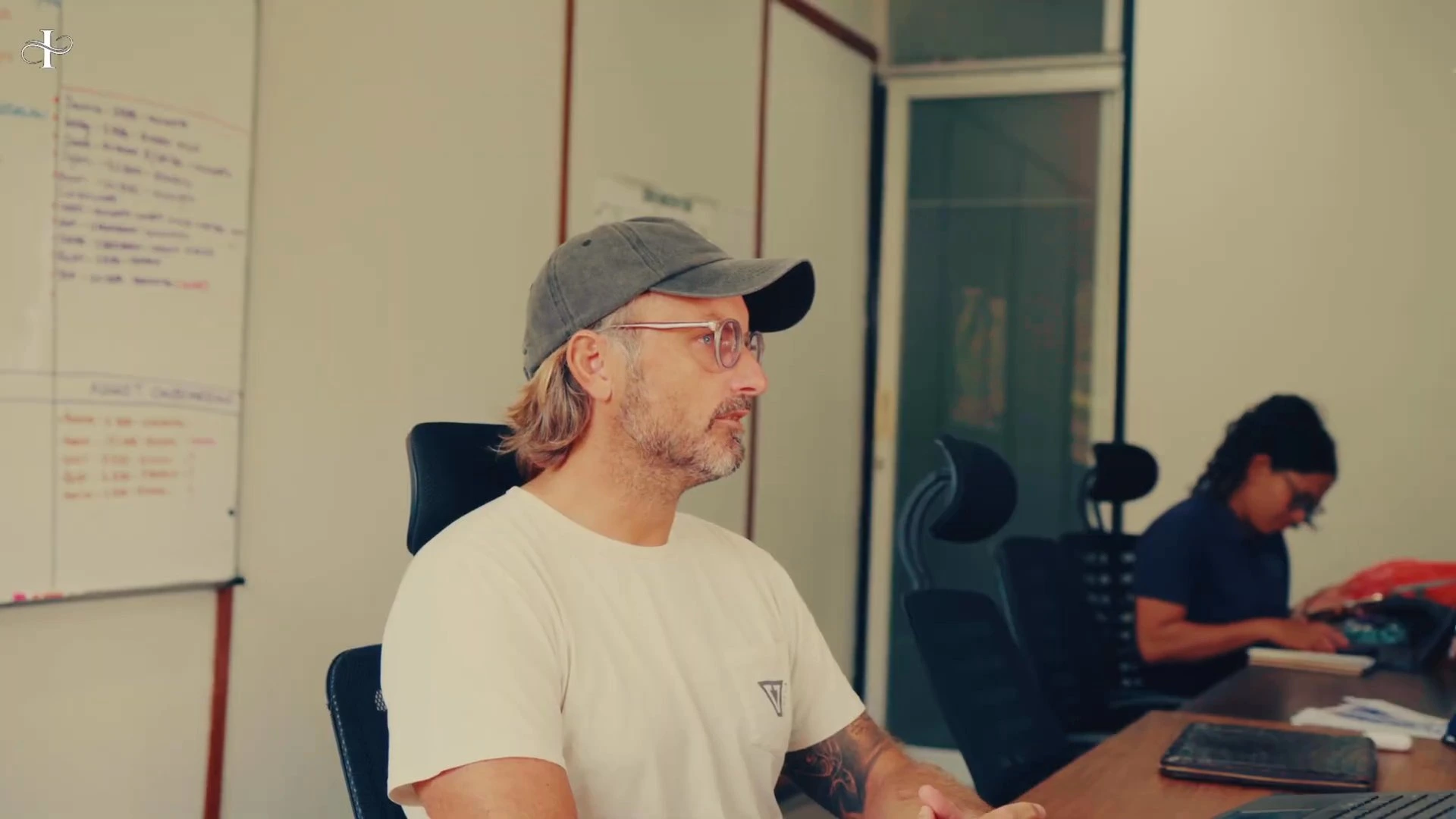
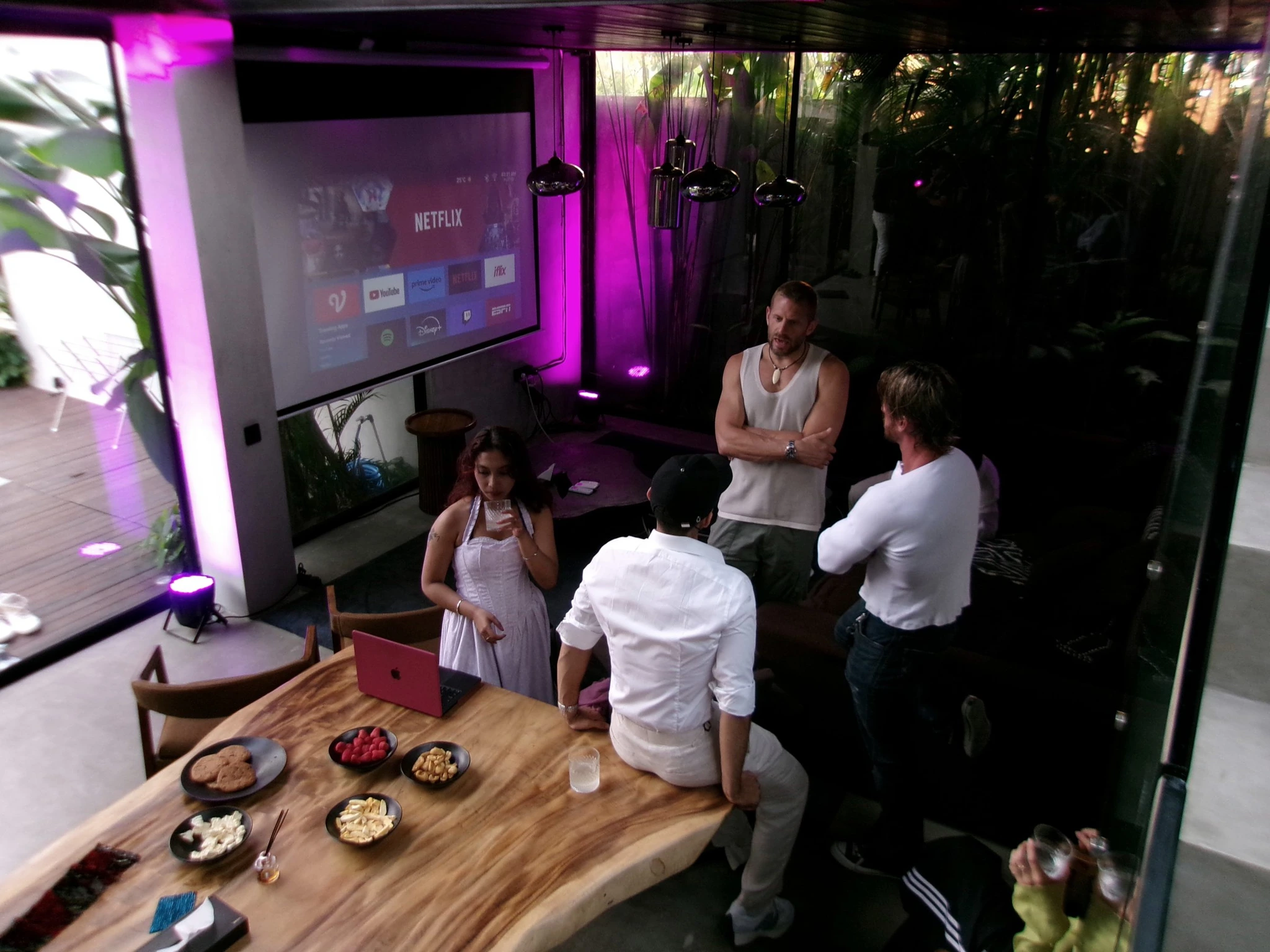
Time together, beyond the screen
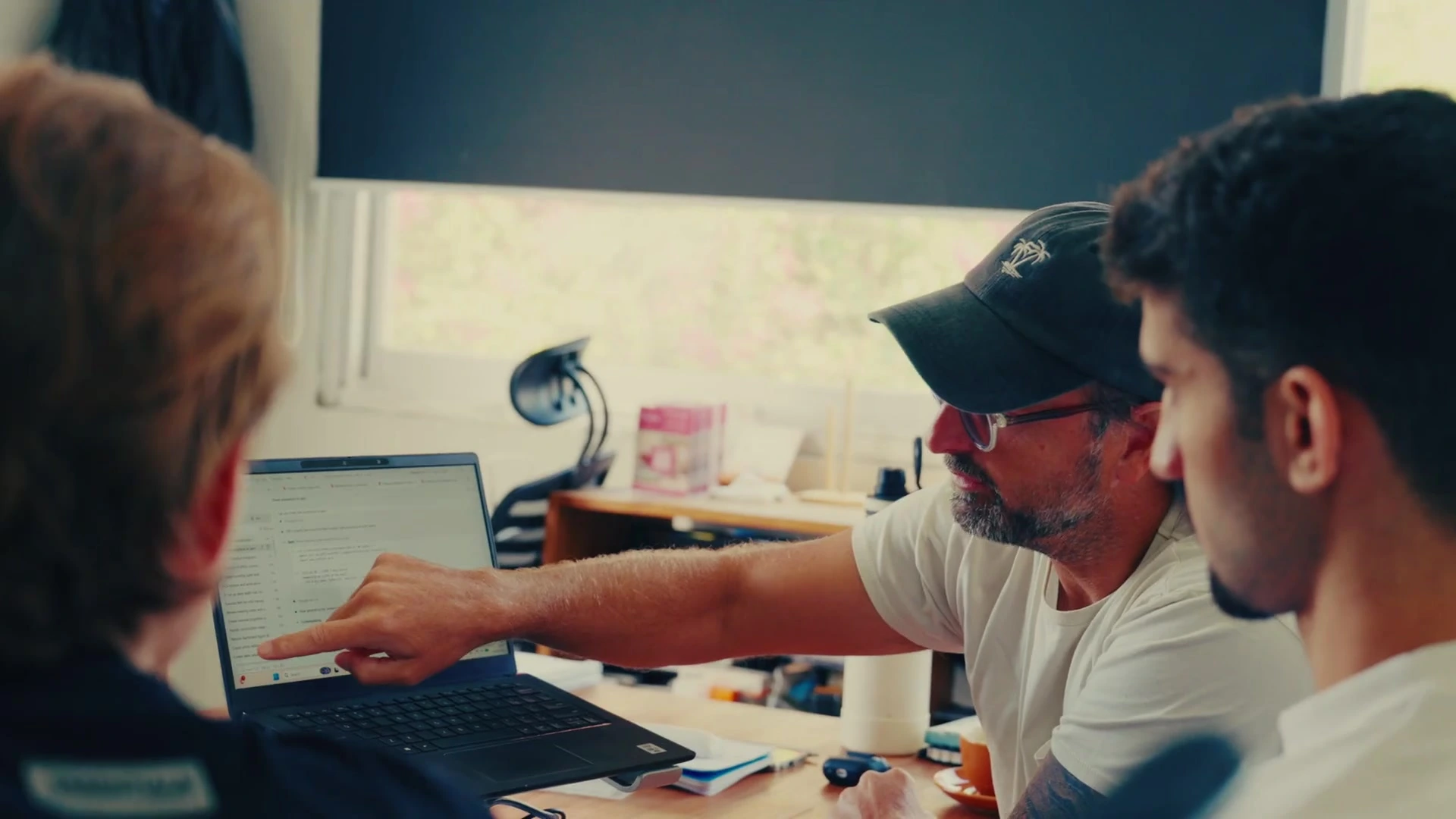
Company workshop · space to work together
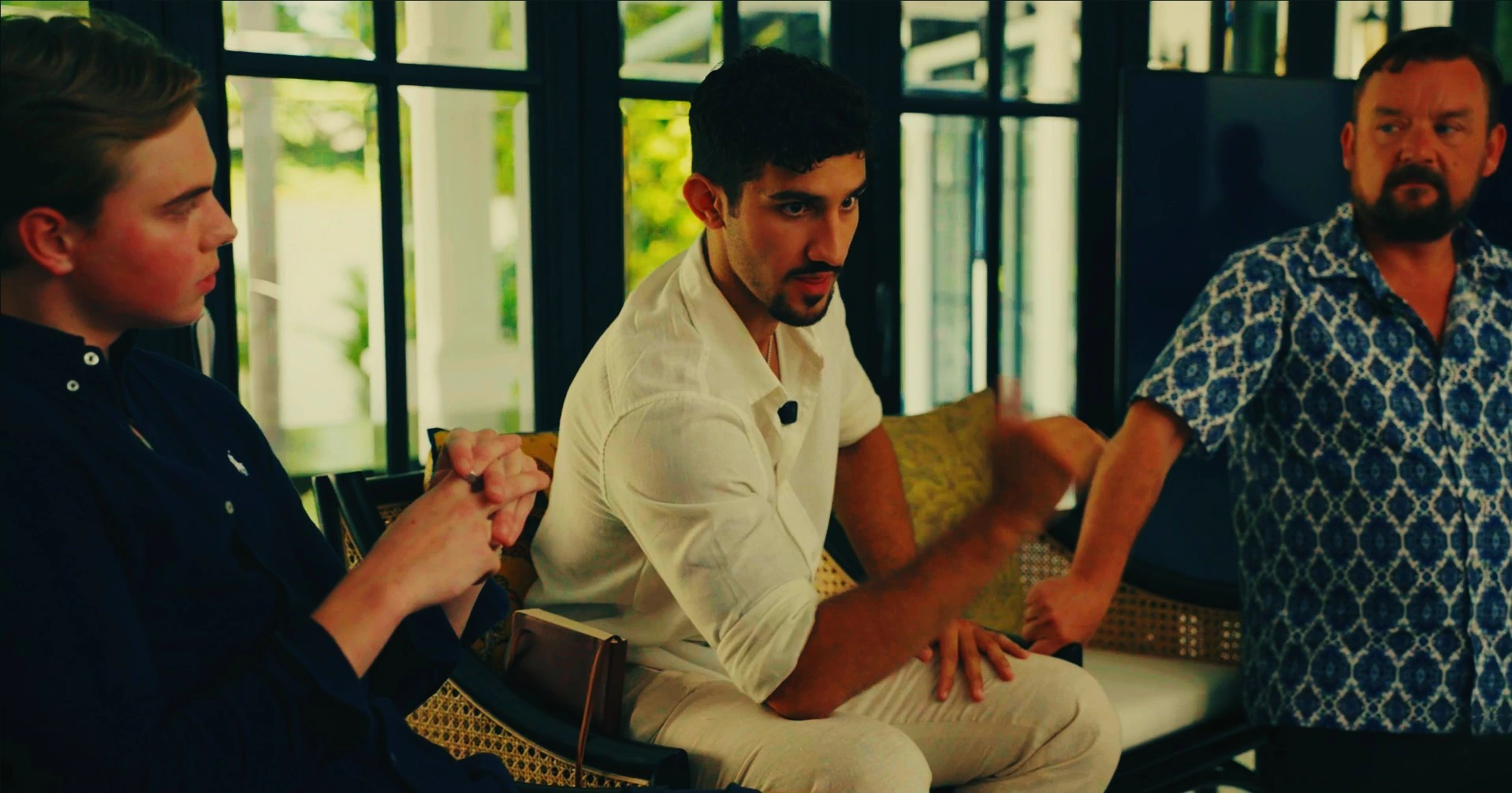
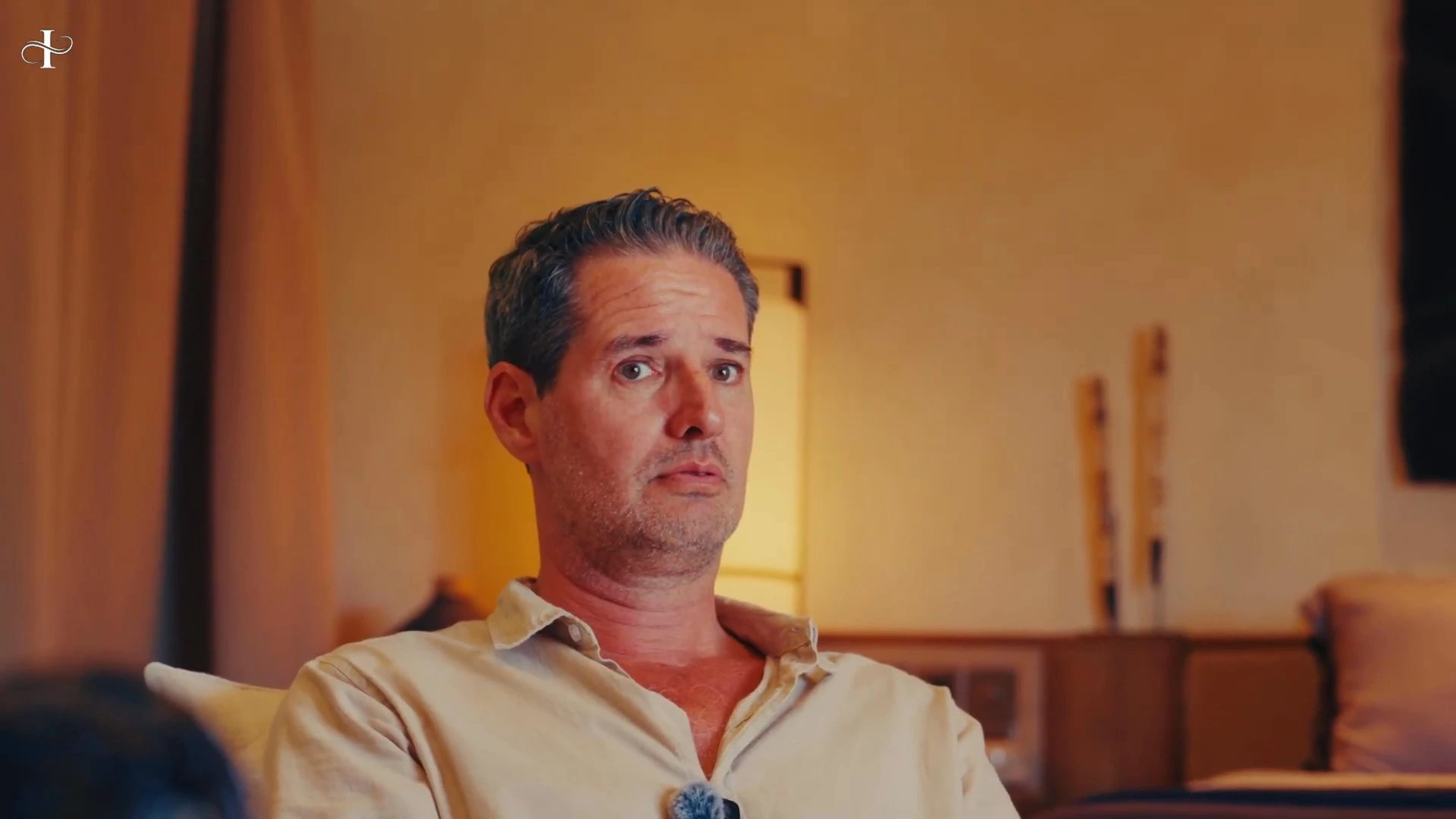
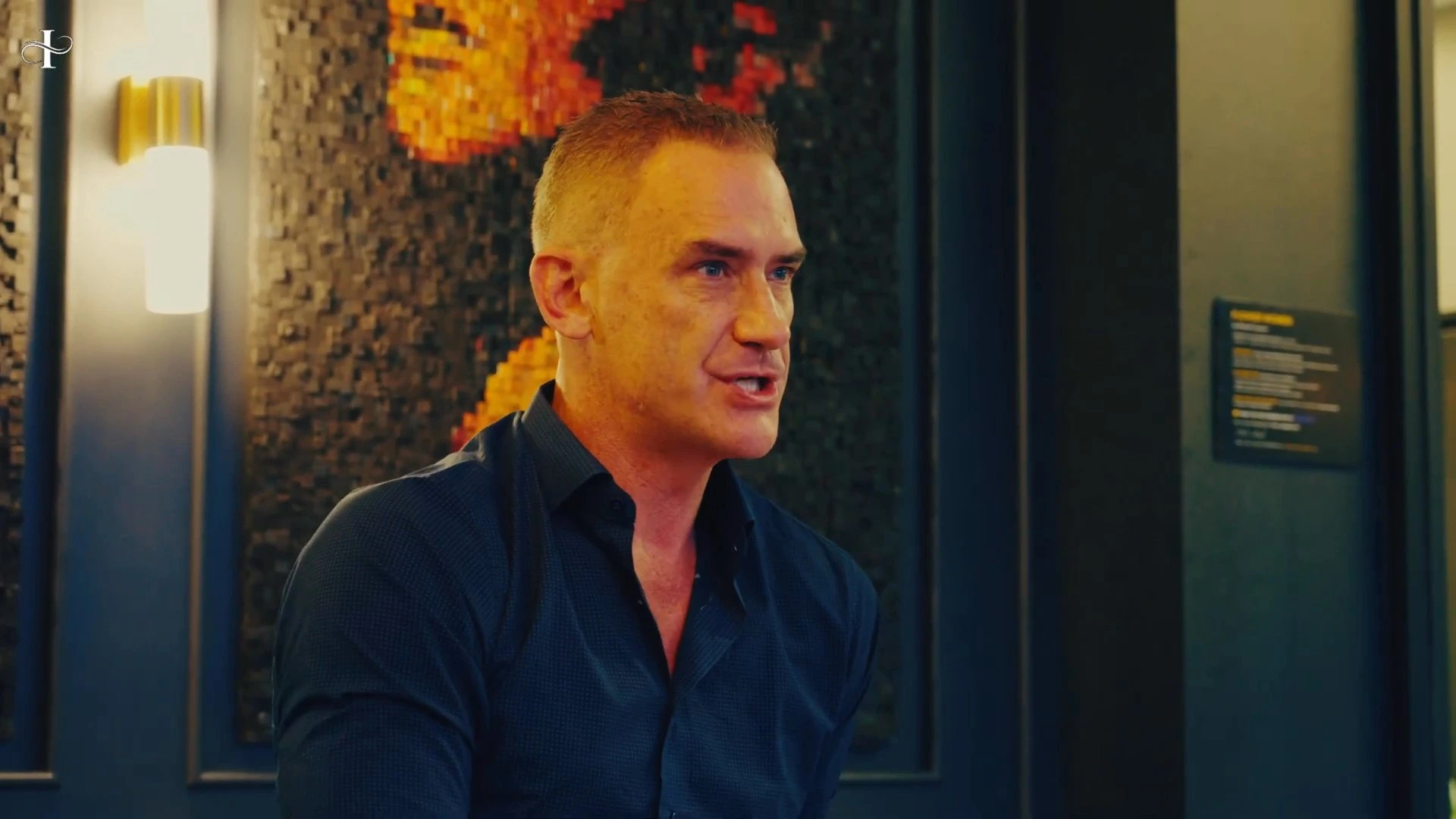
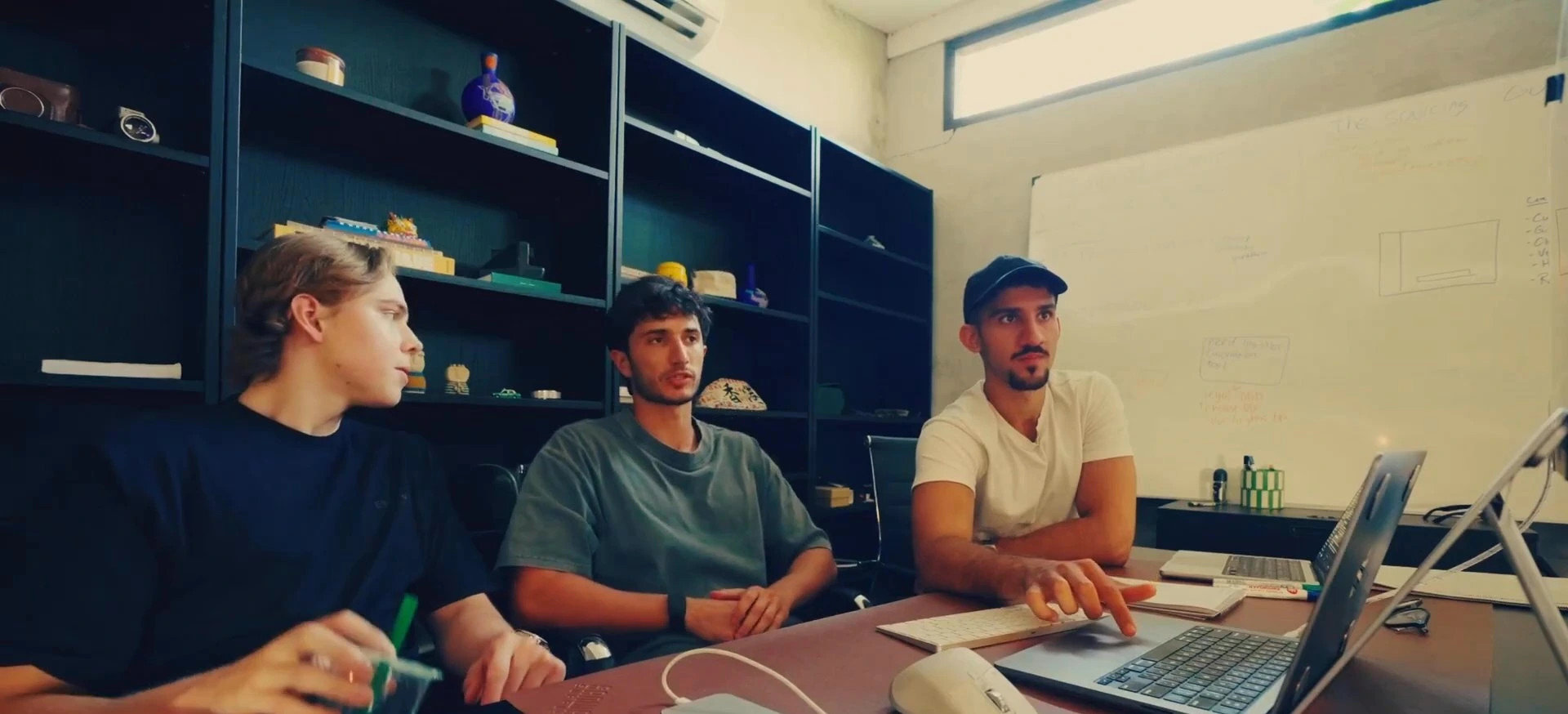
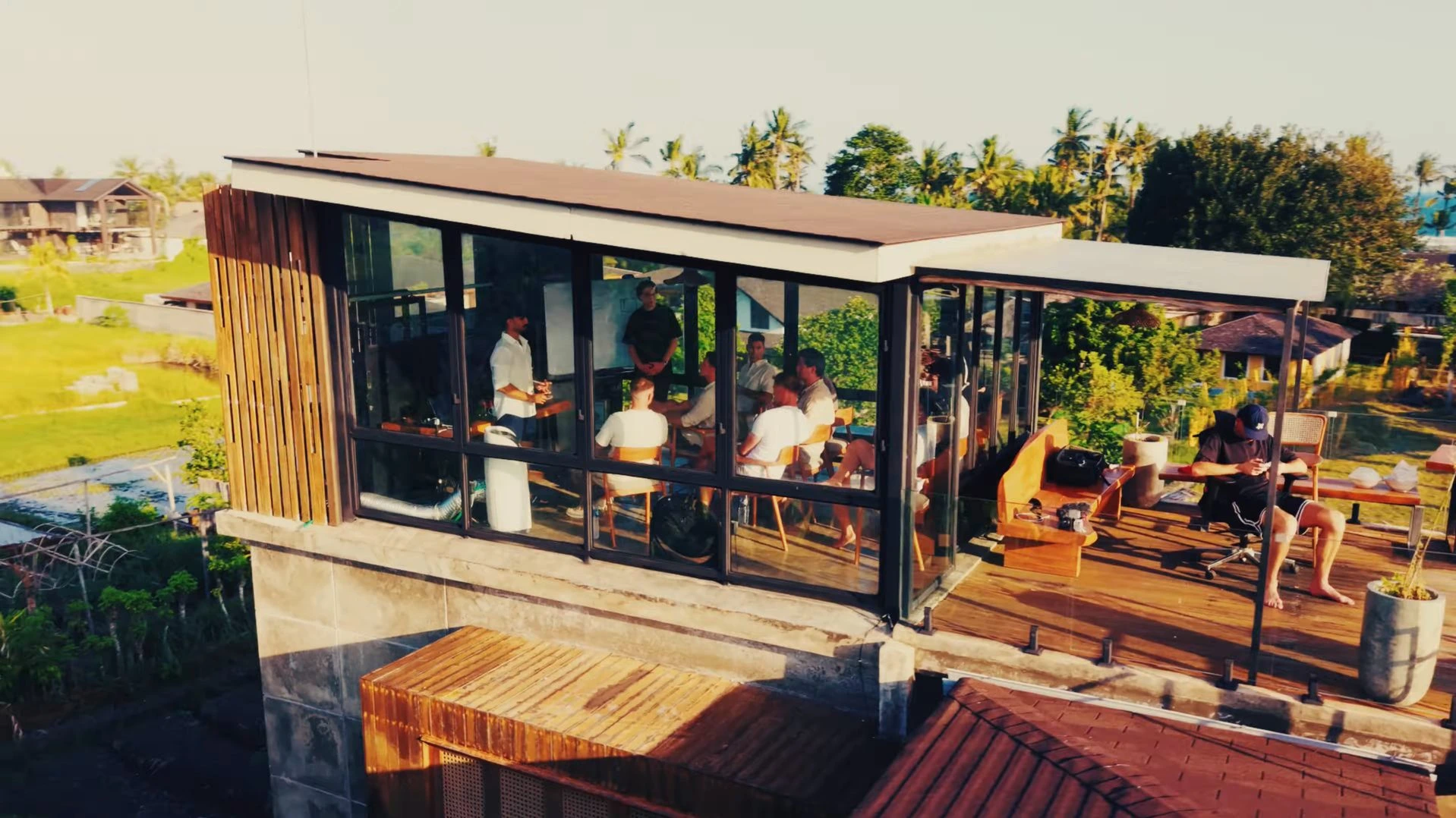
Conversations with operators
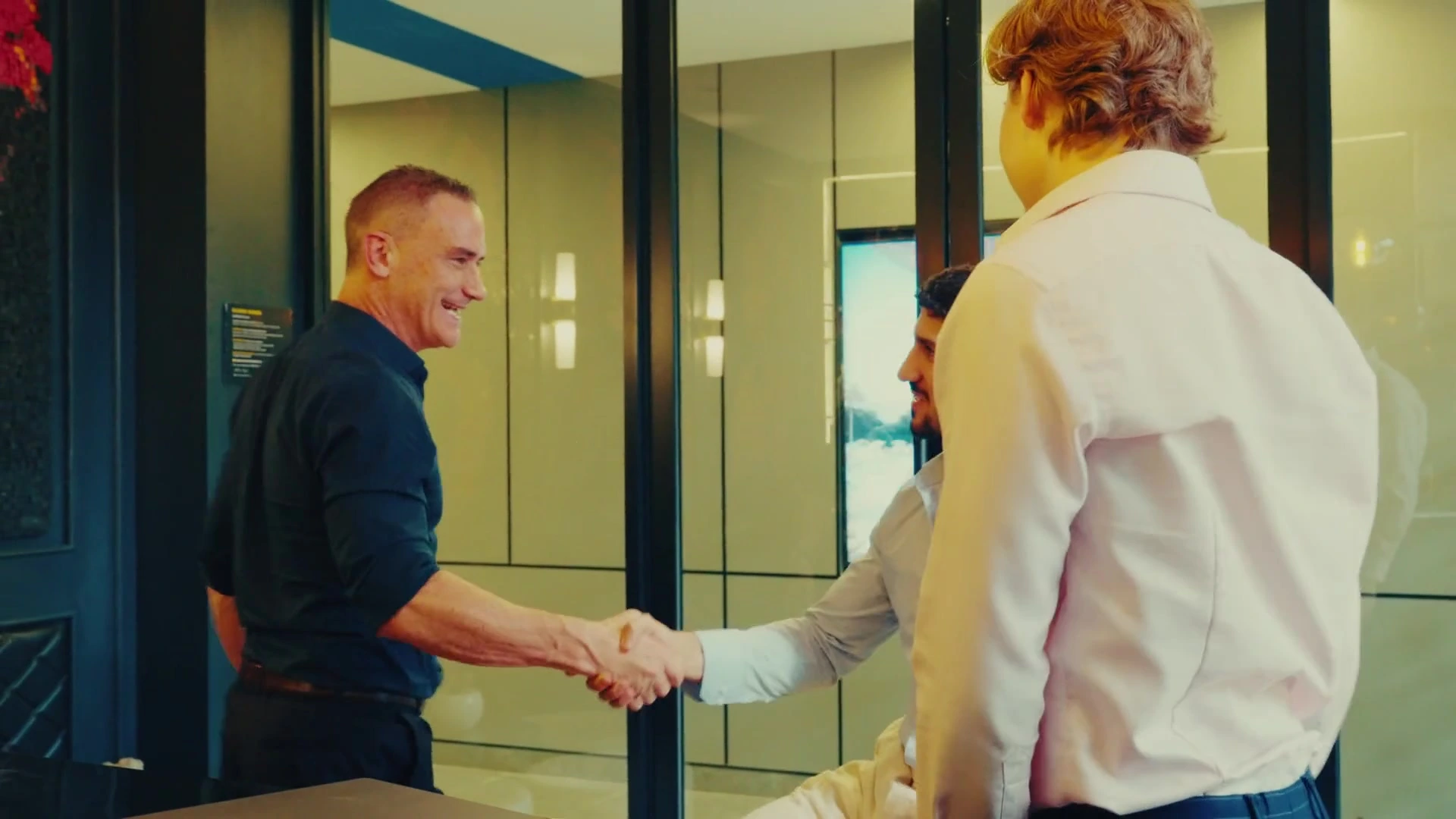
GeoNet · meeting the leadership team
Imperium for real estate · The Villa Management OS
A year of progress
IN PROGRESS
Deeper collaboration across the team
Q4 2025
Applications built on expert knowledge Structured company information Taxonomy and retrieval Search by meaning
Q1 2026
One view of company knowledge Shared business definitions Clear workflow ownership Operational partnerships
Q2 2026
Continuum Recruitment Core Concept Living Answers that show their sources Company dashboards Retrieval and memory
Q3 2026
Each company’s own app Approvals for connected actions Team onboarding A catalogue of 1,400+ tools Sharing across the team
Q4 2026
NOW
Shared work that carries the company’s context
Development themes by quarter, not exact release dates. October 2025 to April 2026: the company’s account. May to September 2026: dated records. Q4 2026: in progress.
As models improve, the business’s organised data and workflows become more valuable.
Imperium for real estate · The Villa Management OS
What owners ask before they start.
What sort of timeline are we looking at to get all of this made?
It goes in stages. We connect and organise your data first, the bigger job, then put your team on the app. GeoNet was live across its team in 60 days.
Is there a maintenance piece on your behalf, or is it a one-time set of costs?
We build it, train one person inside your business to run it, and stay on for support and the next areas you add. How much ongoing help you want is your call.
A lot of those agencies are not actually providing real value. What are they doing?
Often, work your own team could own. One person with the system can run what you paid a marketing agency for, and everything it learns stays in your business.
Whatever solutions I thought existed a year ago are redundant now. How are you approaching this?
Models will keep changing. Your data, organised, is the infrastructure for the next ten years. Plug in a better model and nothing your business has built is lost.
Imperium for real estate · The Villa Management OS
What owners ask about their data.
How does the data get transferred?
It isn’t moved. Your data stays in your own systems and accounts. When someone asks a question, only what’s needed to answer it goes to the AI model.
Why would I give my data to you guys? I need to be secure.
You don’t give it to us. We never hold a copy. Sensitive work can run on a local model on your own machines.
How much of this do we own?
You own your data, files and setup: everything your business has taught it. We own the app you see it through. Leave, point Claude or ChatGPT at the same files and carry on.
“I can’t have one of my staff asking for the financial report and it just spits it out.”
Agreed. Access is set by role. Sales sees the pipeline, finance sees finance, and you see everything.
Swipe to turn the pageTurn your phone for a larger view
IMPERIUM / 01 OF 36
Imperium
Imperium builds villa management companies their own AI Operating System: the portfolio in one place, owner reports and rates prepared from your own data, and every guest answered, with a person approving the work.
Imperium builds villa management companies their own AI Operating System, so the portfolio can grow without the office growing with it.
IMPERIUM / 04 OF 36
The bottlenecks in a management company
No clear view across the whole portfolio.
Bookings, costs and payouts sit in different systems, so what each property really earns stays unclear.
Owner reports are built by hand, property by property.
Reports go out late, and owners lose confidence.
Rates are set by hand across every calendar.
Gap nights, and money left on the table.
Guests, owners and staff message all day.
Slow replies end up in the reviews.
Every new property adds admin before it adds profit.
Growth means more hires, and the margin shrinks.
Decisions and fixes wait on one or two people.
When someone is off, things slip and the owner hears before you do.
IMPERIUM / 05 OF 36
Your team already uses ChatGPT and Claude
Keep them. On their own, they stall for the same reasons.
Nothing is connected.
Your systems, accounts and files aren’t wired in, so each answer only knows what someone pasted in.
WhatsApp is out of reach.
That’s where your guests, owners and villa staff talk, so those conversations sit outside every answer.
Each person’s AI learns alone.
What one person teaches it, nobody else gets. When someone leaves, it goes with them.
So the work is still done by hand.
Someone still copies numbers between systems before every owner report.
“ChatGPT just answers certain questions. This builds stuff for you.”
IMPERIUM / 06 OF 36
An AI Operating System is three parts
We build the other two, around your business. Together, that’s your AI Operating System.
The AI model
The brain. Claude, ChatGPT, or a local model on your own machines for sensitive work. When a better one comes out, we plug it in.
Your data, organised
Your booking system, pricing tool, WhatsApp, accounts and files, connected and set out the way your business runs, so the answers are right.
Your own app
Custom built for your company: your team, your systems, the way you work. On every desk and phone, your team asks in plain English and approves the work it drafts.
You own your data and everything built on it: infrastructure that grows with you. Swap the model or the app later and nothing is lost.
IMPERIUM / 07 OF 36
What it runs across the portfolio
Portfolio
Occupancy, revenue and owner payouts across every villa, live.
Owner reports
Built and checked from your own data, every month.
Rates
Seasons and gap nights reviewed across the whole portfolio.
Guests
Every channel watched, and replies drafted.
Maintenance
Jobs logged, assigned and chased.
Finance
Accounts, payouts and costs in one picture.
All of it in one app that works like the ChatGPT your team already uses: ask, check the answer, approve.
IMPERIUM / 08 OF 36
What changes
The outcome for the average client.
Increase in output per person
3.1×
Working time returned per person
52%
Hires not made, per company
7.5
Payroll prevented a year, per company
$175,000
Speed increase for work handled by the OS
5.6×
Figures calculated from selected client interviews, across different companies and tasks. See the individual stories for context.
Property development and hospitality across several brands.
Problem
Several projects and venues moving at once, with each new one adding hires in marketing, finance and settlements.
Solution
One operating system across the whole team, with each role given the tools it needs.
Outcome
“It was understanding what was giving us a return on our advertising expense, where people were working effectively, and getting the information through the organisation as well.”
Chad Egan, Founder & CEO
10 hires prevented in 60 days. Chad prices that work at hundreds of thousands of dollars.
The next hires are senior specialists. GeoNet won’t add fifty more in marketing, thirty in finance or forty in settlements, because the system covers that work.
COO Ben Barnes: some days it felt like a team of ten working for him.
Your own app, connected to the systems the portfolio already runs on.
IMPERIUM / 15 OF 36
Your app in use
Your app
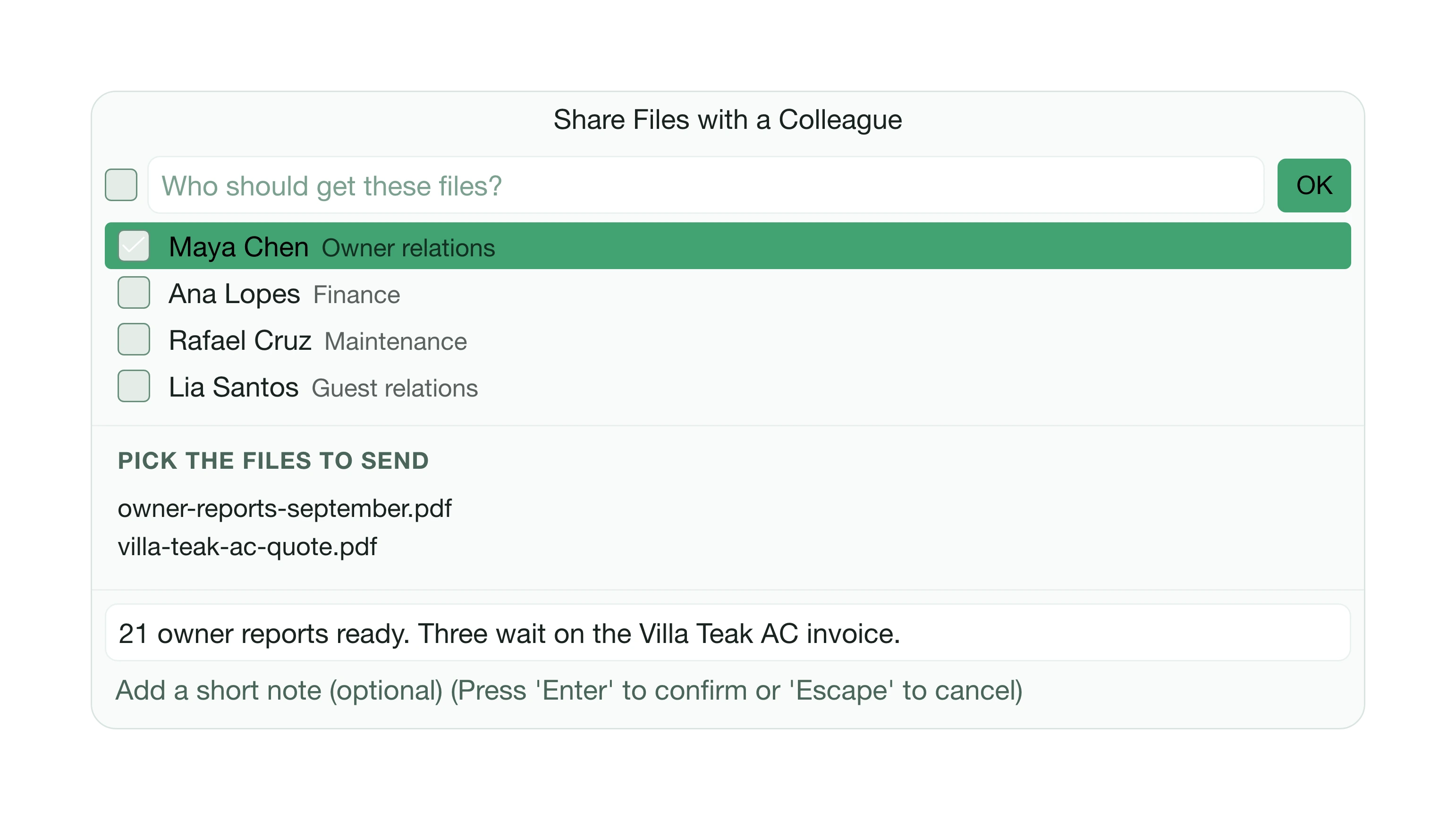
Custom built for your company, on every desk and phone, in the dock next to ChatGPT and Claude.
Your booking stack, connected
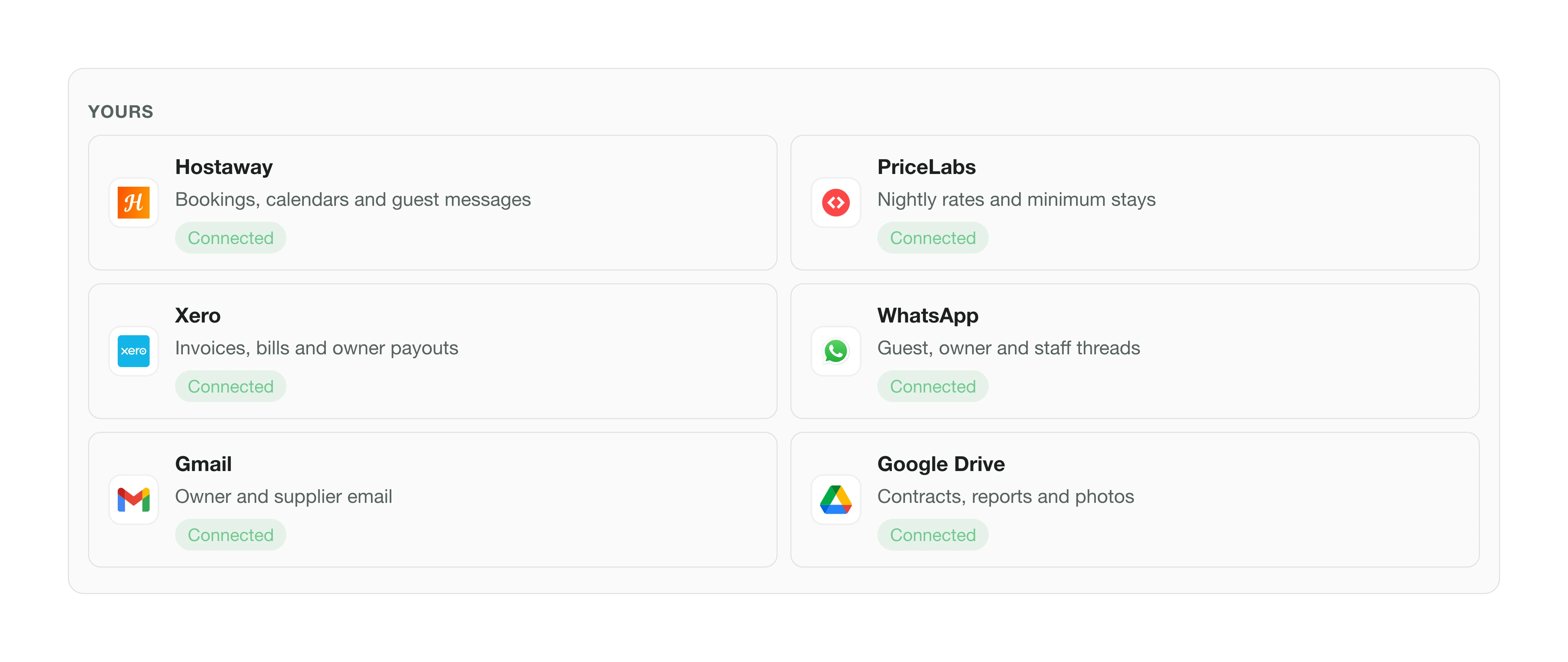
Hostaway, PriceLabs, Airbnb, Booking.com, Xero, WhatsApp, Gmail and Drive, chosen from a catalogue of 1,400+ tools. Connect only the ones you authorise.
The app your team works in
Your portfolio’s knowledge, connected behind every answer and action.
On WhatsApp
Guest, owner and staff conversations, connected to the same data. Replies drafted for approval.
Multi-model
OpenAI and Claude models, with local models on your own machines for sensitive work.
Approval by role
Owner reports, rates and replies are prepared for review. You set who approves what.
IMPERIUM / 16 OF 36
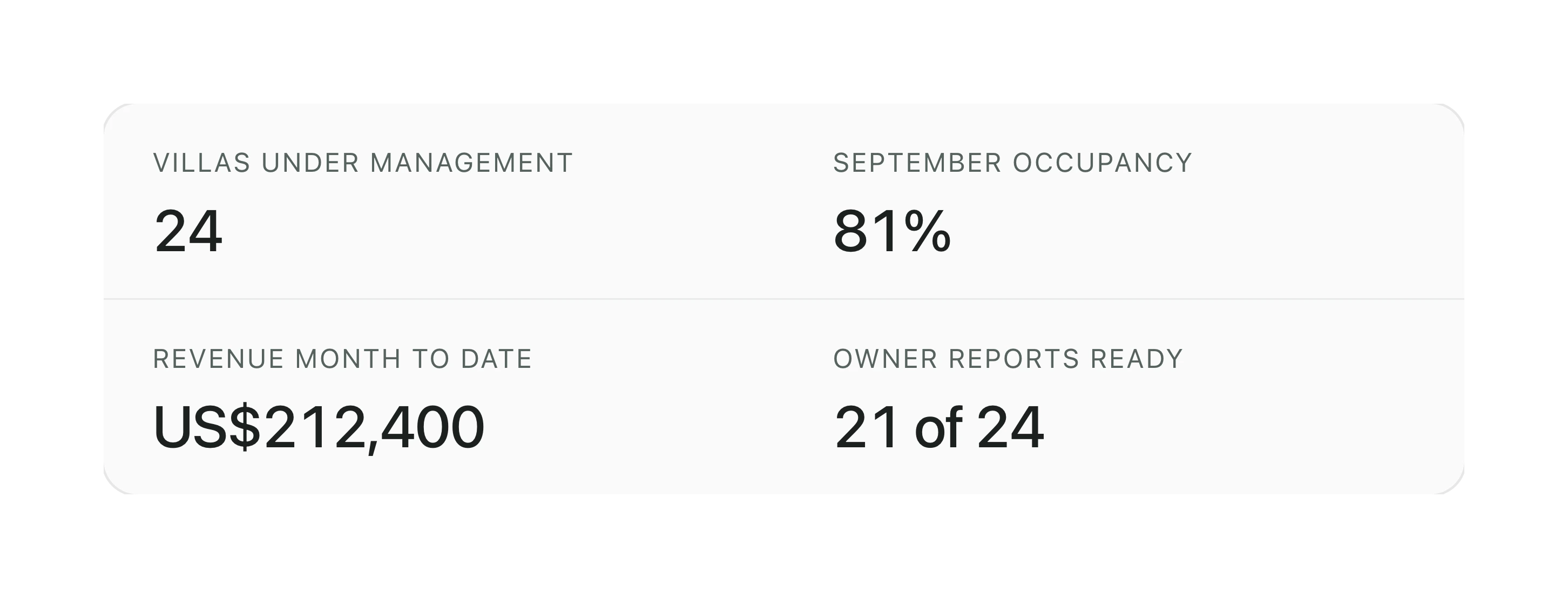
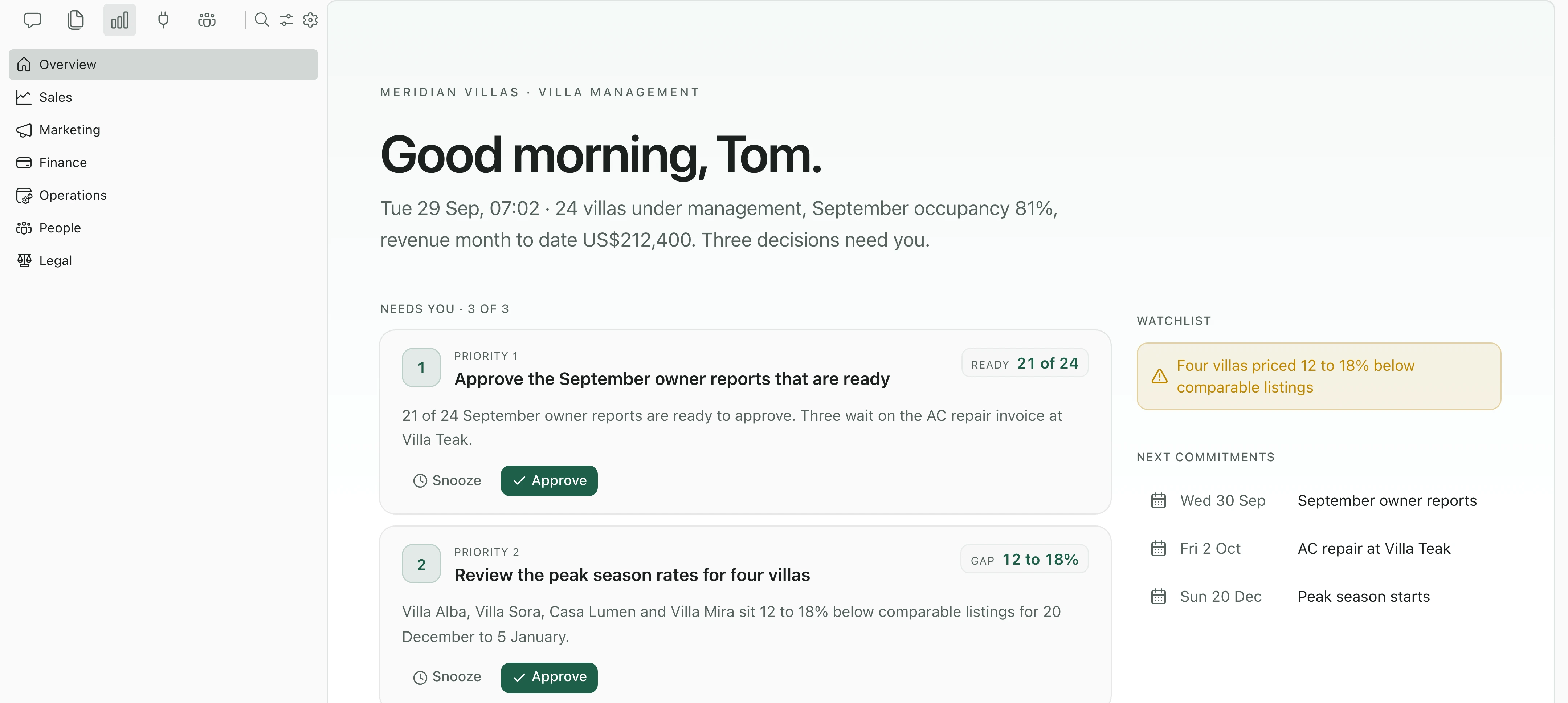
The whole portfolio on one screen
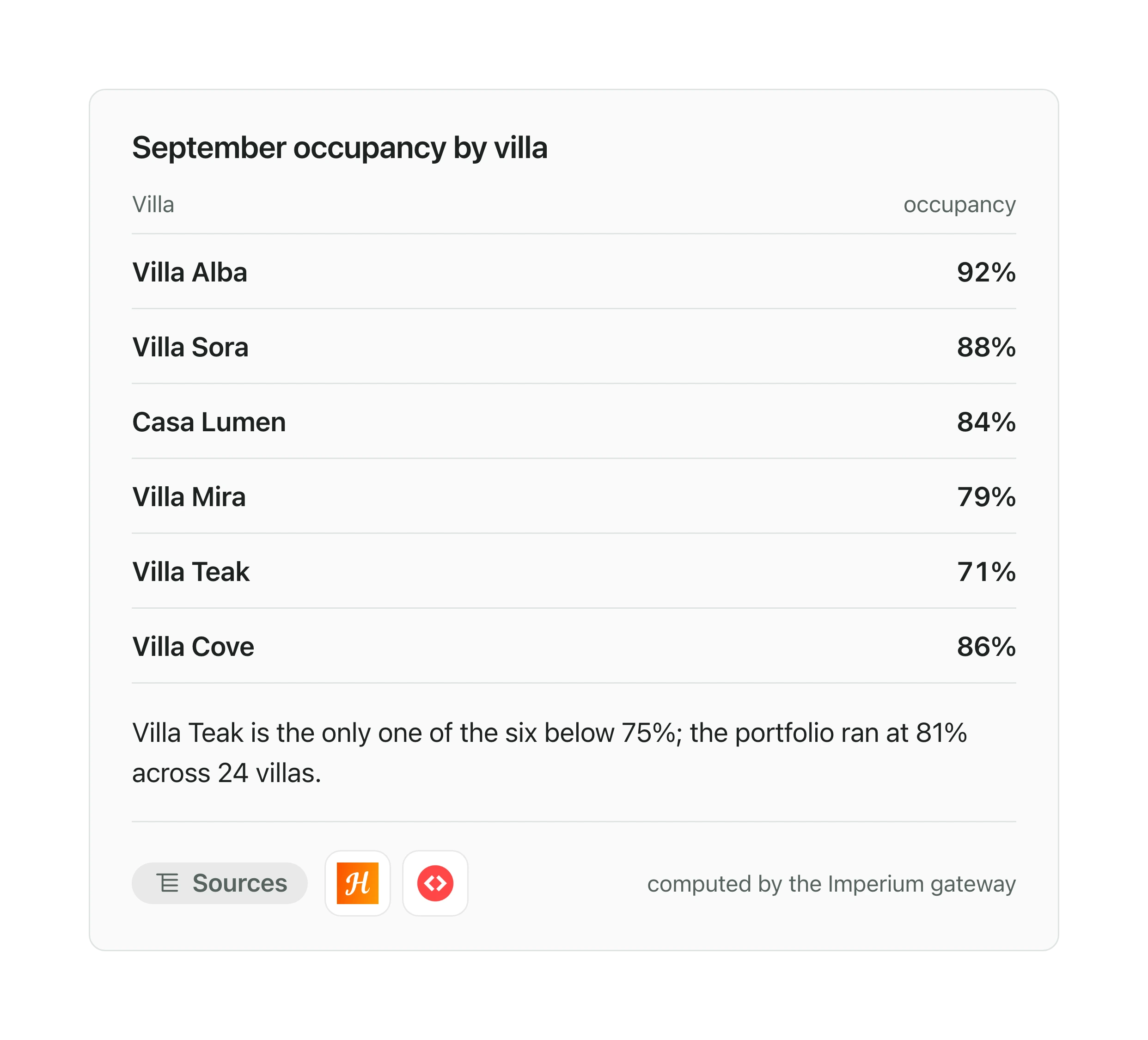
Occupancy and rates across every property, owner reports ready to approve, maintenance being chased and every guest answered.
IMPERIUM / 17 OF 36
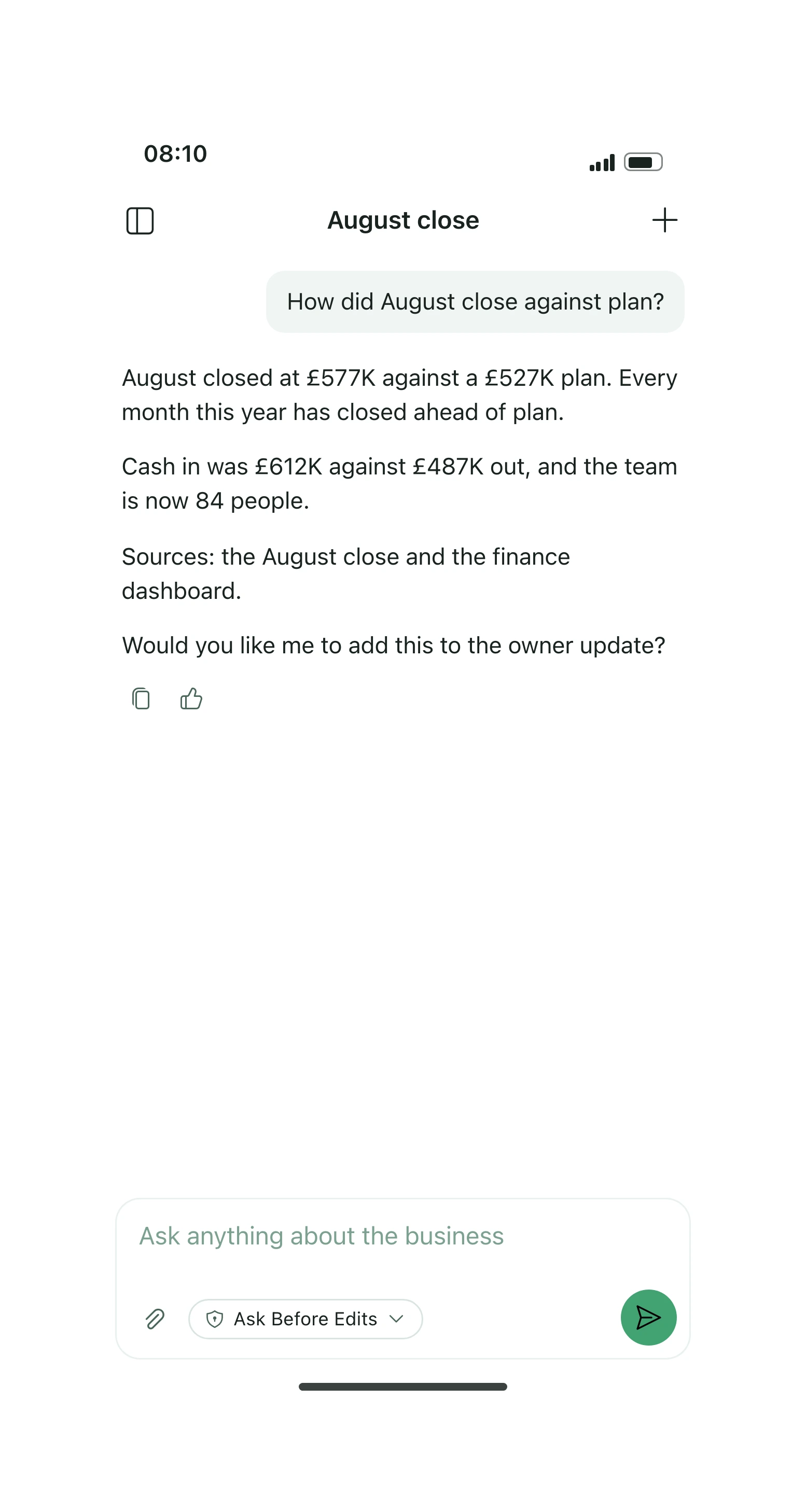
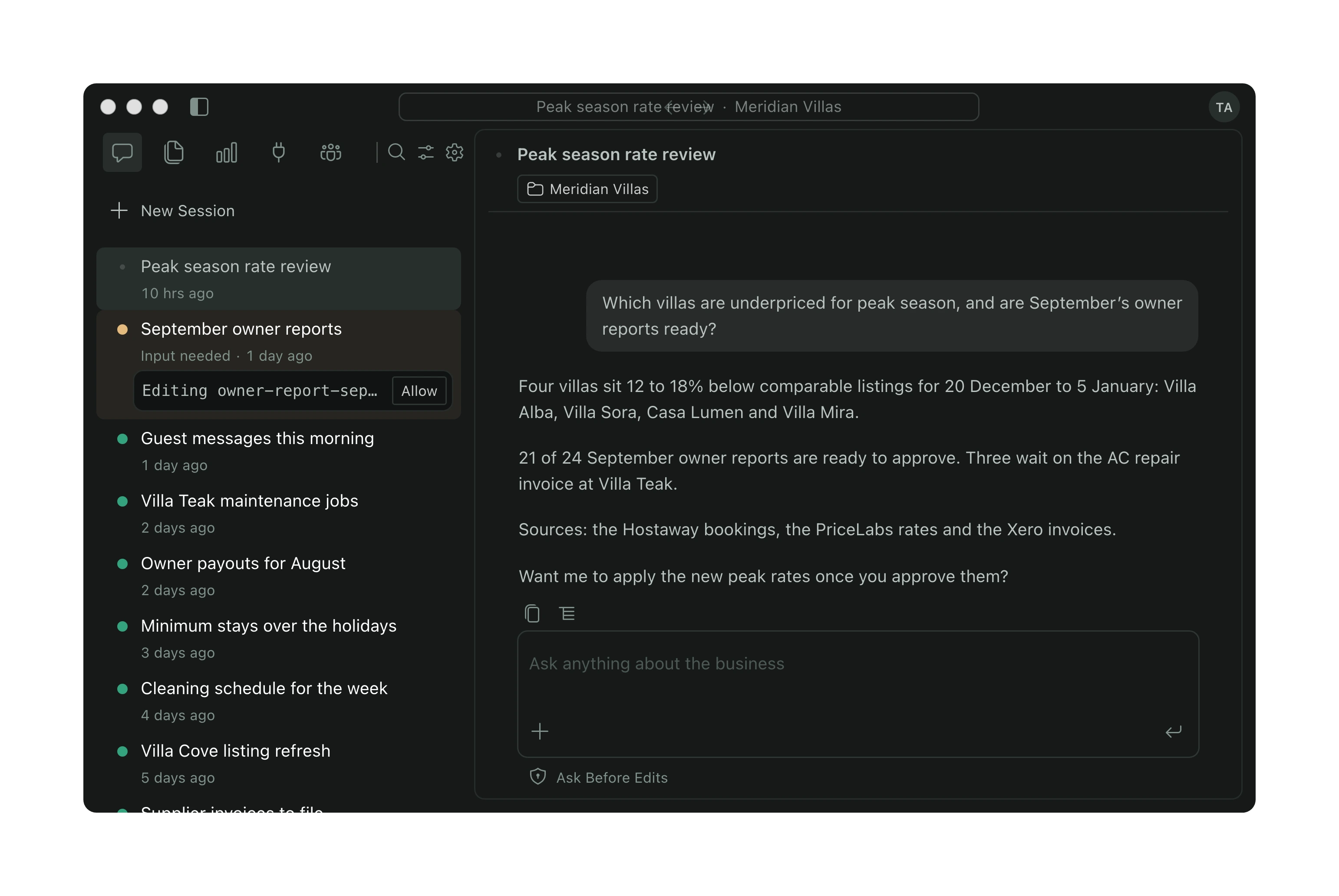
It looks like ChatGPT. It answers from your portfolio.
You ask in plain English.
It checks PriceLabs, Hostaway and Xero.
It answers from your own data, and shows where it came from.
It drafts the next step. A person approves it.
Your own app, in the dock next to ChatGPT and Claude.
IMPERIUM / 18 OF 36
You stay in control
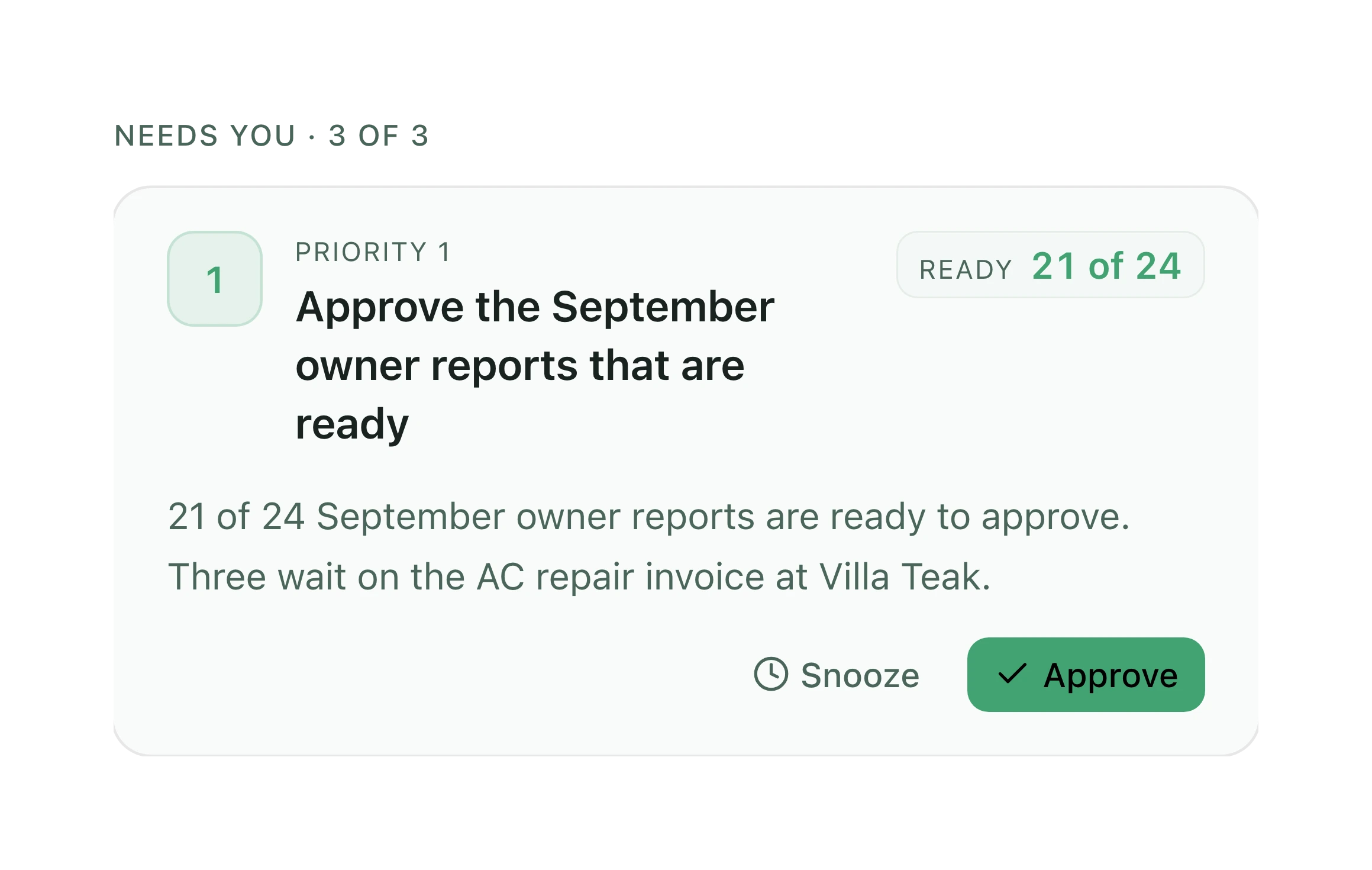
What needs you, ranked
The few decisions worth your time, with the impact and the evidence next to each one.
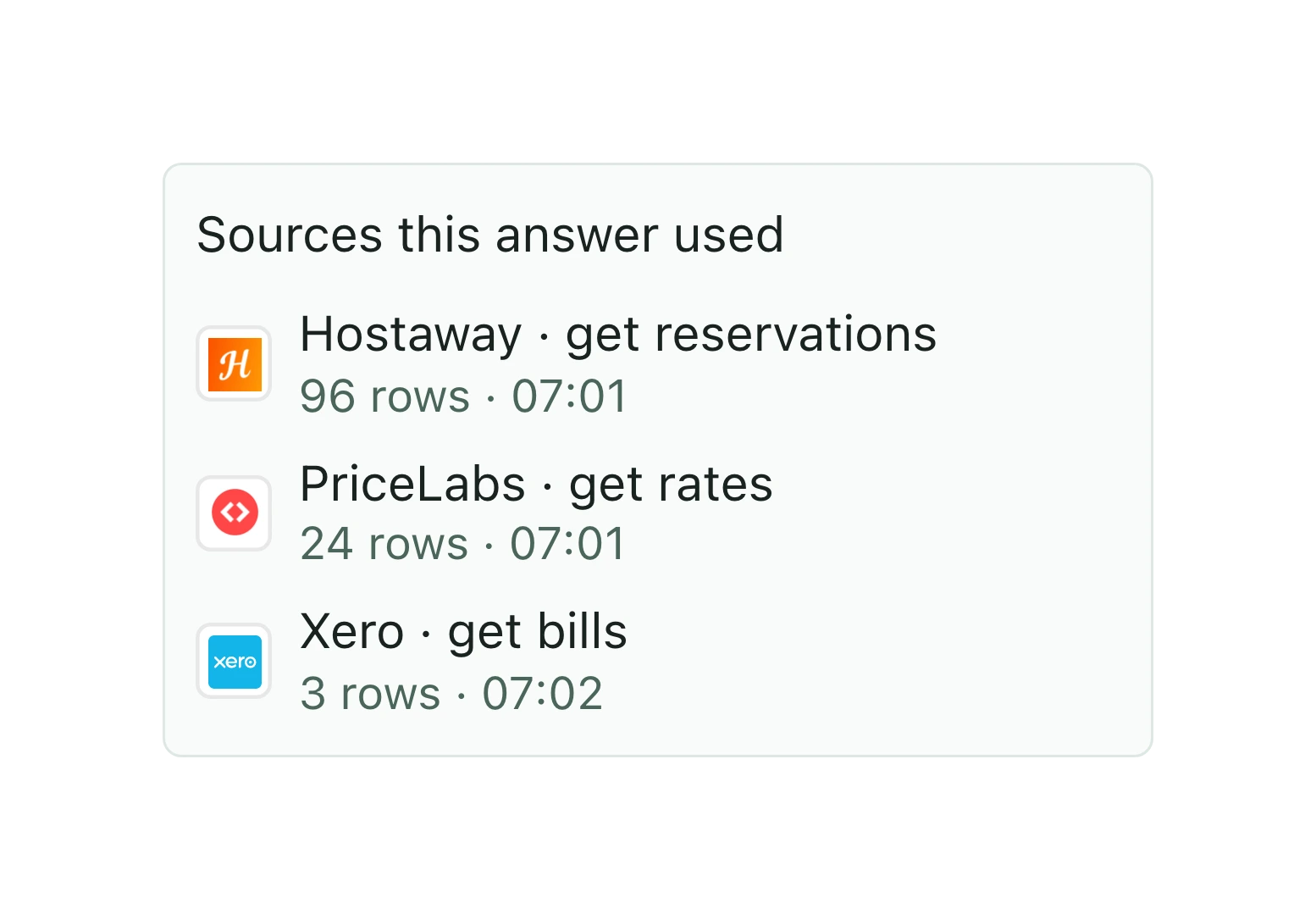
Every answer shows its sources
Each number traces back to the system and the rows it came from, so your team can check it.
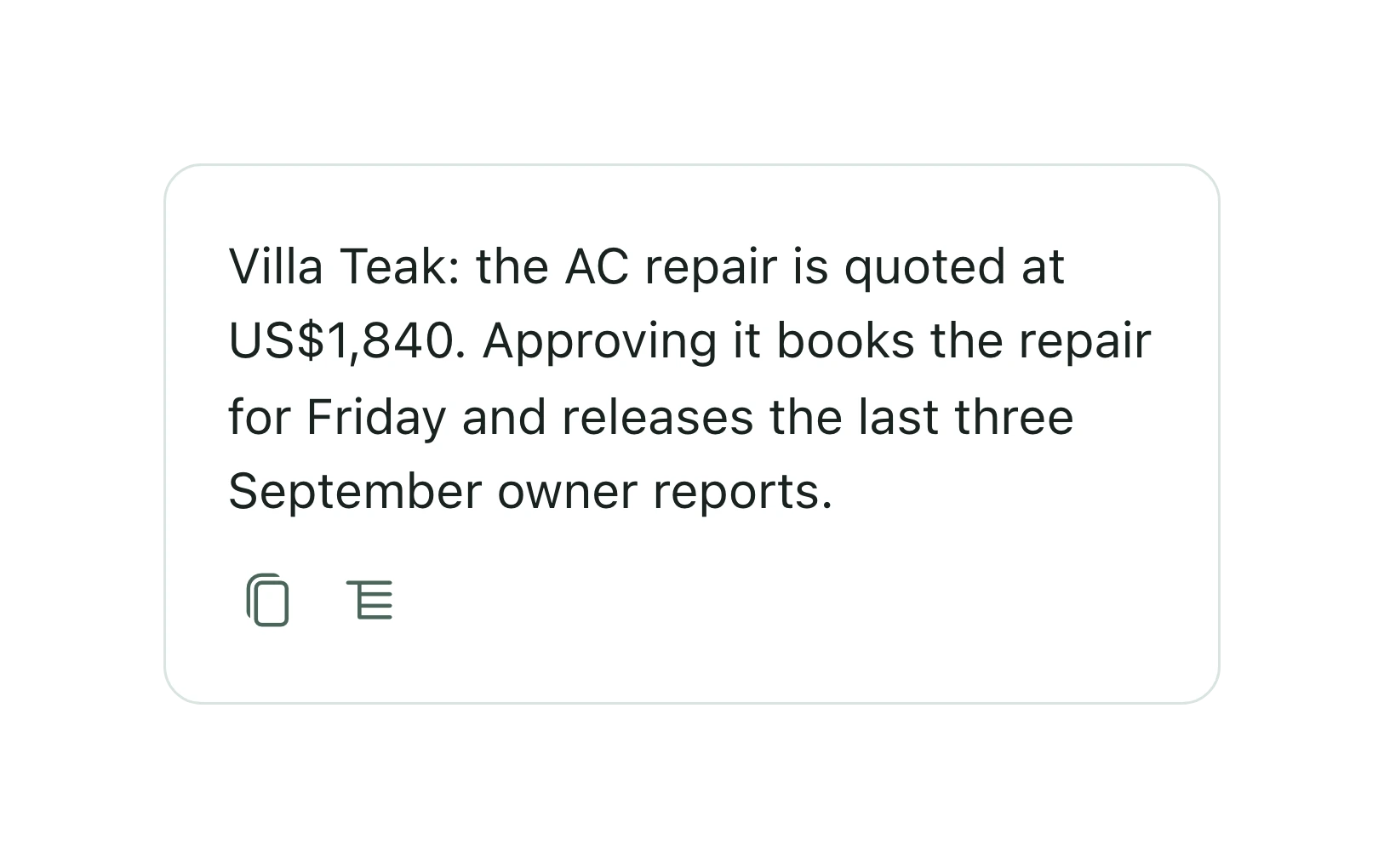
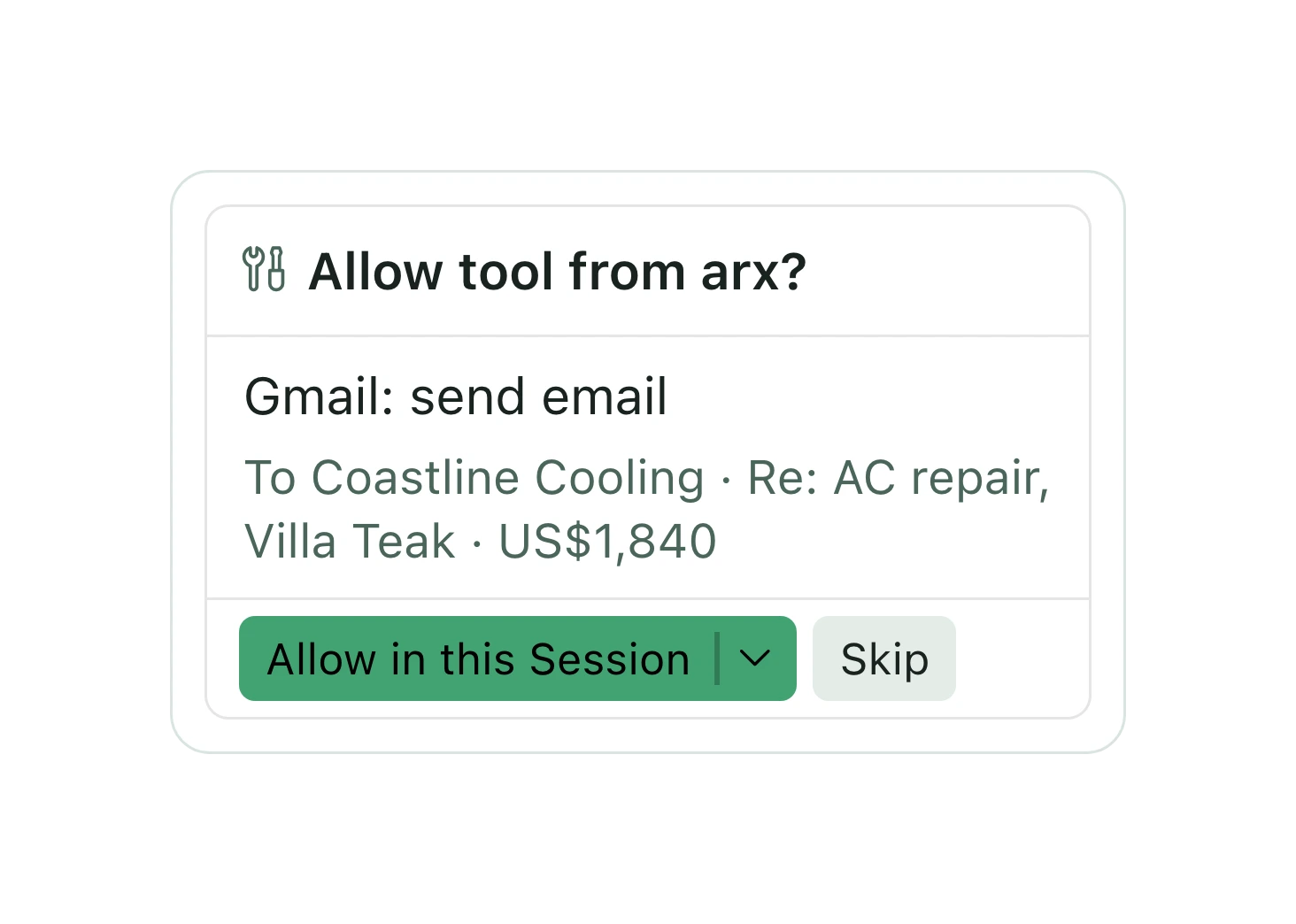
Nothing goes out without approval
Emails, messages and changes are drafted for a person to approve. You set who approves what.
IMPERIUM / 19 OF 36
Engineering. Inside the business.
Every installation is engineered inside the business, around the systems and people already running it.
IMPERIUM / 20 OF 36
The capability behind an installation
Structure company information so context can be found, understood and traced to its source. Taxonomy and retrieval make the knowledge useful beyond a single conversation.
Connect the data, tools and permissions behind daily operations. Each installation has to reflect how the company actually works, from the source of a record to the team responsible for using it and reviewing the next action.
Work with sales, marketing, finance and operations to decide what matters, what should change and how the team will measure progress. A defined workflow, an accountable owner and a useful baseline give the installation a practical starting point.
IMPERIUM / 21 OF 36
The architecture behind useful work
An unpaid owner payout belongs to a villa, an owner, a booking and the person responsible for clearing it.
The AI OS keeps those relationships together, so every answer starts from the business itself rather than an isolated prompt.
IMPERIUM / 22 OF 36
One responsibility, from build to operation
Build. Run.
The engineers who build it stay with it once your team is using it.
Software and engineering, together.
Understand
Map the bottlenecks in the business.
Connect
Wire in the systems the portfolio runs on.
Improve
Put your team on the app, then add the next areas.
Choose an internal champion and a real workflow, such as the monthly owner report. Establish what good looks like, then work through the difficult cases together.
The goal is capability inside the business: people who understand the OS, trust its boundaries and can use it without waiting for the founder.
The product takes shape alongside the teams who use it. We map the company’s questions, build around its priorities and stay close as the team puts the OS to use.
IMPERIUM / 26 OF 36
The Founders
Product engineering and commercial operations meet in the same responsibility: understanding the company, building around its priorities and helping the team put the OS to work. The founders remain accountable for the quality of that relationship.
Alex Kaymakanov
Chief Executive Officer
Leads company direction and product, drawing on software, data procurement and resource-planning experience. His focus is the architecture behind ARX and the engineering standard required to make company knowledge useful in daily work.
Archie Nash
Chief Operating Officer
Leads operations, installation and customer success, drawing on the analysis of marketing, sales and operating performance. His focus is a clear business problem, useful measures and the internal ownership needed to make the OS part of everyday work.
Our background combines software, data procurement, migration and resource-planning systems for large organisations with the analysis of marketing, sales and operations. That experience informs how we structure company knowledge, connect its systems and improve the work behind the numbers.
IMPERIUM / 29 OF 36
Principles for useful AI
An AI OS earns its place through the work it helps people do. These principles guide how Imperium builds and runs every installation.
Learn the tools, responsibilities and daily work before configuring anything.
Make company context available for review alongside the answer.
Set connections and permissions around the people who use them.
Install alongside the team and develop internal ownership.
Keep engineering close as the business and its workflows change.
IMPERIUM / 30 OF 36
A culture close to the work
On stage · AI operating systems for business
Working sessions turn questions into product requirements. Conversations keep the engineering grounded in the company’s reality.
Time together, beyond the screen
Company workshop · space to work together
Conversations with operators
GeoNet · meeting the leadership team
IMPERIUM / 31 OF 36
A year of progress
Q4 2025
Applications built on expert knowledge, structured company information, taxonomy and retrieval, search by meaning.
Q1 2026
One view of company knowledge, shared business definitions, clear workflow ownership, operational partnerships.
Q2 2026
Continuum Recruitment and Core Concept Living. Answers that show their sources, company dashboards, retrieval and memory.
Q3 2026 · now
Each company’s own app, approvals for connected actions, team onboarding, a catalogue of 1,400+ tools and sharing across the team.
October 2026 · planned
Shared work that carries the company’s context.
Development themes by quarter, not exact release dates. October 2025 to April 2026 is the company’s account; May to September 2026 comes from dated records.
As models improve, the business’s organised data and workflows become more valuable.
IMPERIUM / 33 OF 36
What owners ask before they start
What sort of timeline are we looking at to get all of this made?
It goes in stages. We connect and organise your data first, the bigger job, then put your team on the app. GeoNet was live across its team in 60 days.
Is there a maintenance piece on your behalf, or is it a one-time set of costs?
We build it, train one person inside your business to run it, and stay on for support and the next areas you add. How much ongoing help you want is your call.
A lot of those agencies are not actually providing real value. What are they doing?
Often, work your own team could own. One person with the system can run what you paid a marketing agency for, and everything it learns stays in your business.
Whatever solutions I thought existed a year ago are redundant now. How are you approaching this?
Models will keep changing. Your data, organised, is the infrastructure for the next ten years. Plug in a better model and nothing your business has built is lost.
IMPERIUM / 34 OF 36
What owners ask about their data
How does the data get transferred?
It isn’t moved. Your data stays in your own systems and accounts. When someone asks a question, only what’s needed to answer it goes to the AI model.
Why would I give my data to you guys? I need to be secure.
You don’t give it to us. We never hold a copy. Sensitive work can run on a local model on your own machines.
How much of this do we own?
You own your data, files and setup: everything your business has taught it. We own the app you see it through. Leave, point Claude or ChatGPT at the same files and carry on.
“I can’t have one of my staff asking for the financial report and it just spits it out.”
Agreed. Access is set by role. Sales sees the pipeline, finance sees finance, and you see everything.